WABBASEKA — Aug. 30 marked the first Wabbaseka Founder’s Day Festival in the city park pecan orchard between U.S. 79 and Union Pacific Railroad train tracks.
“It has been about eight years since we had our last Scatters Fest,” said Wabbaseka Mayor Andrew Goodloe. “I knew we needed something new and different to bring some life and activity to the community. It is similar to the old Scatters Fest but we added a few new things we didn’t have before.”
Begun in 1984, the Scatters Fest was named for the Scatters duck hunting grounds in nearby Bayou Meto Wildlife Management Area.
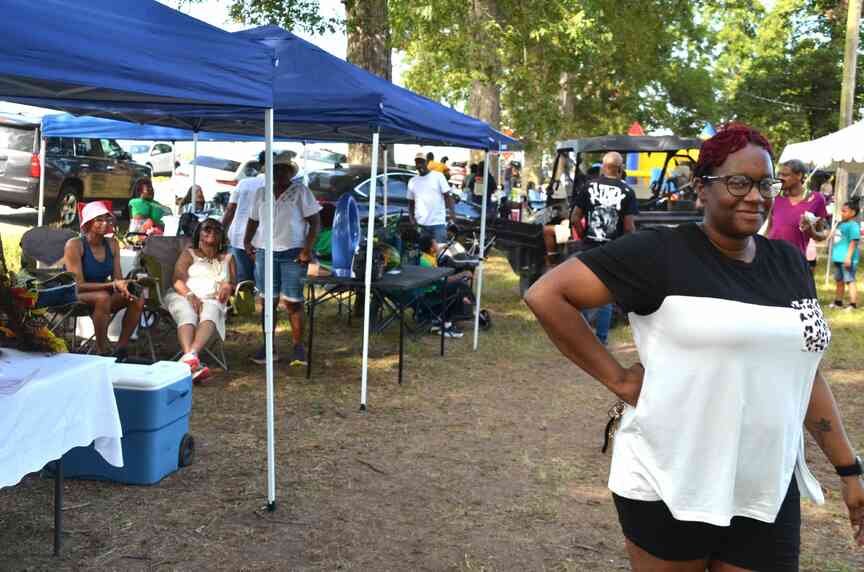
Beneath the shade of spreading pecan trees, a variety of food trucks and popup tents were on hand for the new festival with barbecue, burgers, hot dogs, popcorn and soft drinks while inflatable bounce houses occupied the many youngsters.
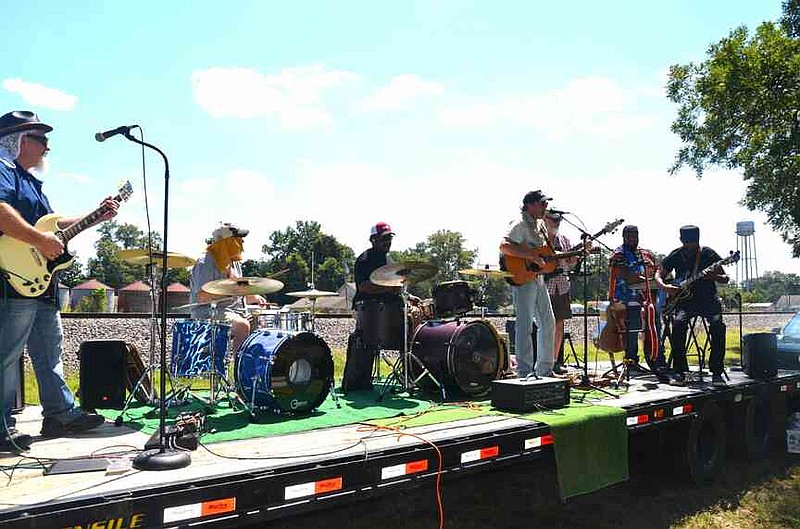
The day’s activities included live music by native son Billy Jeter and his five-piece Shine Eye Band, along with Pine Bluff’s Detroit Johnny Johnson accompanied by bass and drums.
Independent reporting for Pine Bluff & Jefferson County since 1879.
“It was a pecan grove full of happy, diverse people that all shared a love for Wabbaseka, its history and who it is today,” Jeter said.
Jeter played all original numbers during his hour-and-a-half-long set, including one titled “Wabbaseka.”
Each time he finished a verse, the crowd sang “Wabbaseka” along with the chorus.
The tiny burg of 225 residents sits astraddle a major U.S. highway and the Cotton Belt railroad. Wabbaseka is surrounded by vast farmland in every direction. Following fall harvest, fields are flooded to provide winter habitat and feeding grounds for every species of migrating duck, making it a hub of hunting activity during waterfowl season.
Located between Pine Bluff and Stuttgart, the town also serves as a bedroom community for those who find employment in the railyards and rice mills of neighboring cities.
Wabbaseka has five active churches and two small cafe markets, C&B Market and the Chicken Shack. C&B is located in an historic 1920 two-story masonry structure at the corner of Paw Paw Road and U.S. 79, while the Chicken Shack is a relatively new addition to the cityscape across from C&B and operated by Goodloe.
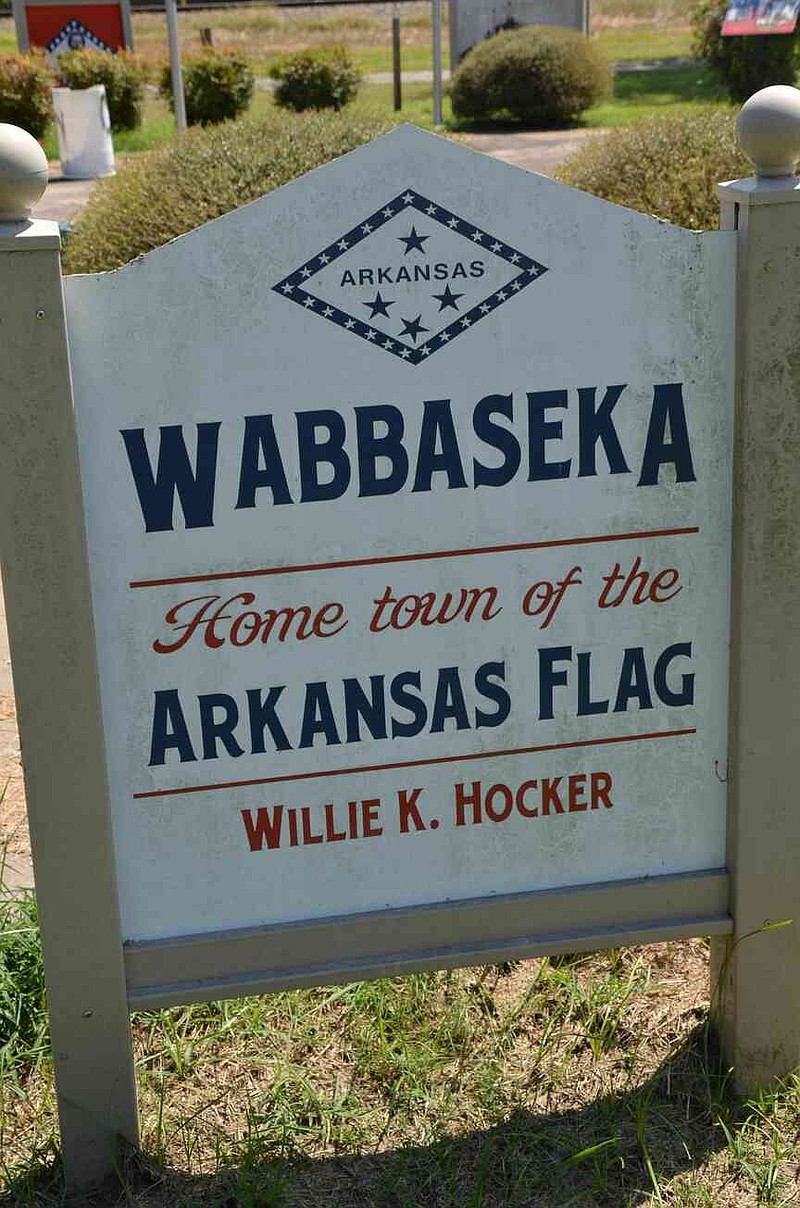
Among other things, the town is known as the home of the Arkansas state flag, designed by local schoolteacher Willie Kavanaugh Hocker. Goodloe shared how the grade school, now closed, was named in Hocker’s honor.
Wabbaseka, like many small towns that popped up next to the new-laid tracks, had its inception with the coming of the railroad in 1884. Goodloe said the name changed a couple of times before settling on the unusual moniker it bears today. Legend holds how it is derived from a misinterpretation of the Quapaw name, “Wadittesha Wattiska,” meaning “black clay bayou.” An early surveyor named William Pelham recorded the tributary flowing through the town as “Wabbaseka Bayou.”
Jeter’s band donated their afternoon performance in support of the newly established nonprofit, Arkansas River Delta Blues Trail. The organization intends to begin by honoring six blues legends, including Bobby Rush from Sherrill, Big Bill Broonzy from north Jefferson County, Cedell Davis from Pine Bluff, Larry “Totsy” Davis from England, Elmon “Driftin’ Slim” Mickle from Keo and “Queen Sylvia Embry” Lee Burton from Wabbaseka. Each honoree will have a commemorative plaque raised near the location of their origins.