
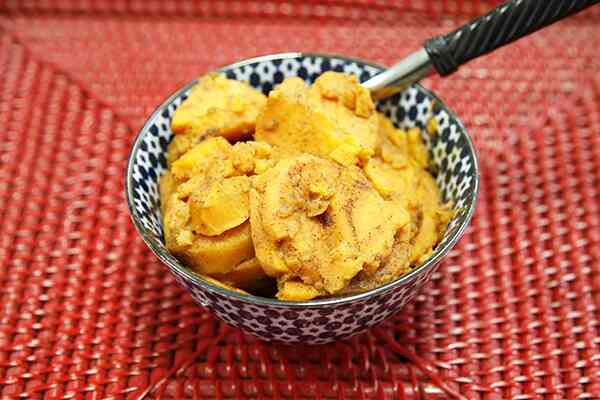
November is Sweet Potato Awareness Month. It coincides with the heart of harvest season and Thanksgiving, a food-centered holiday, said W. Jinnings Burruss Jr., Ed.D., assistant professor of food service at the University of Arkansas at Pine Bluff.
During this time, sweet potatoes are at peak availability and are commonly featured in seasonal recipes, Burruss said. This alignment with traditional gatherings provides a natural opportunity to spotlight sweet potatoes not only as a festive staple but as a nutritionally rich and culturally significant crop.
“Designating this month for awareness allows organizations, schools, chefs and agricultural communities to reintroduce sweet potatoes to the public in new, innovative and health-conscious ways,” he said. “It also serves as a timely reminder of the crop’s economic importance in regions like Arkansas, where sweet potato farming continues to be a vital part of local agriculture and food heritage. By linking education, culinary creativity and seasonal cooking, November becomes a month of both celebration and learning.”
Sweet potatoes are often referred to as a “superfood.” They are naturally rich in nutrients while remaining low in calories and fat, Burruss said. A single medium-sized baked sweet potato contains approximately 100 calories, 4 grams of fiber and more than 400% of the recommended daily intake of vitamin A in the form of beta-carotene, a powerful antioxidant that supports immune health and vision. They also provide essential nutrients like vitamin C, manganese, potassium and vitamin B.
“One of the most remarkable features of sweet potatoes is their complex carbohydrate structure, which provides long-lasting energy without causing sharp spikes in blood sugar. This makes them especially suitable for individuals managing diabetes or seeking to stabilize their energy throughout the day,” he said. “Whether boiled, roasted, mashed or incorporated into baked goods, sweet potatoes deliver both flavor and function on every plate.”
Independent reporting for Pine Bluff & Jefferson County since 1879.
Sweet potatoes offer numerous health benefits that extend beyond basic nutrition. Their high levels of beta-carotene not only promote eye health but may also play a role in reducing the risk of certain cancers and boosting immune resilience, Burruss said. The presence of dietary fiber supports digestive health and helps maintain a healthy gut microbiome. Because they are naturally low in fat and sodium, sweet potatoes are also heart-healthy and contribute to better cholesterol levels when consumed as part of a balanced diet.
“The antioxidants found in both orange and purple-fleshed sweet potatoes help reduce inflammation and oxidative stress, two major contributors to chronic disease. Additionally, their low glycemic index makes them a smart choice for those watching their blood sugar, especially when prepared without added sugars or syrups,” he said. “As a versatile, whole food, sweet potatoes support holistic wellness and are easily adaptable to both traditional and modern dietary preferences.”
According to Burruss, sweet potato leaves are also edible, and they are highly nutritious and widely used in culinary traditions around the world.
“These vibrant, heart-shaped greens are rich in antioxidants, vitamins A, C, and K, as well as minerals like calcium and iron. They offer similar benefits to other leafy greens like spinach or kale, but with a slightly sweeter and more tender profile,” he said. “Sweet potato leaves are especially valued for their anti-inflammatory properties and immune-supporting nutrients, making them an excellent addition to wellness-focused diets.”
Preparation of sweet potato leaves is very versatile, Burruss said. Young, tender leaves can be enjoyed raw in salads, while mature leaves are best when lightly cooked. They can be sautéed with garlic and olive oil, added to soups and stews, steamed as a side dish or stir-fried with soy sauce and aromatics in Asian-inspired recipes.
“In our culinary program at UAPB, we emphasize using the entire plant whenever possible, both as a practice in sustainability and as a way to deepen students’ understanding of underutilized yet nutrient-dense ingredients,” he said.
Sweet potatoes complement a wide variety of flavors and ingredients, which makes them a favorite across both sweet and savory applications. They pair well with proteins such as roasted poultry, pork tenderloin, grilled fish or legumes like black beans and lentils.
“Their natural sweetness is beautifully balanced with spices like cumin, coriander, cinnamon, smoked paprika and chili flakes. In savory dishes, sweet potatoes benefit from a touch of acidity like lime juice or balsamic vinegar, Burruss said. “Greek yogurt adds brightness and dimension. In sweeter preparations, warm spices and natural sweeteners like maple syrup or honey bring out their depth.”
Sweet potatoes are also good in global cuisines, he said. They can be mashed with coconut milk for a Caribbean twist, roasted with North African spice blends, folded into Indian-style curries or layered in Mediterranean-inspired grain bowls.
“At UAPB, we use sweet potatoes to teach students about menu versatility and cultural fusion, encouraging them to move beyond the traditional marshmallow-topped casserole and explore innovative applications across meal categories,” Burruss said.
Sweet potatoes are a foundational ingredient in culinary and nutrition science programs at UAPB, he said.
“They allow us to explore a wide range of cooking techniques, including roasting, baking, steaming and pureeing, while also delving into topics such as food safety, sustainability and cultural relevance,” Burruss said. “In particular, sweet potatoes serve as an excellent case study for teaching recipe modification. Students learn how to reduce added sugar or fat by using mashed sweet potato as a natural sweetener or moisture enhancer in baked goods.”
Students also incorporate sweet potatoes harvested from UAPB’s on-campus farm, giving them the chance to understand the full cycle of food from soil to plate, he said.
“This field-to-fork experience is deeply aligned with our mission to provide applied learning opportunities that blend science, nutrition and hospitality,” Burruss said. “Whether used in soups, stews, desserts or savory entrées, sweet potatoes help students build confidence in the kitchen while reinforcing the value of healthy, local and seasonal ingredients.”
Sweet Potato Awareness Month offers many opportunities for culinary schools, public health organizations and communities to engage with food in meaningful, educational ways, he said.
“At UAPB and similar institutions, this month could be celebrated through live cooking demonstrations, classroom lessons, student showcases and community outreach events that focus on the versatility and nutrition of sweet potatoes,” Burruss said. “Farm-to-fork tastings or pop-up kitchens could highlight the creative potential of sweet potato dishes beyond the traditional holiday table.”
Educators could organize garden tours, recipe contests or themed nutrition cafés, inviting families and children to discover how sweet potatoes grow, how to cook with them and how they can fit into a healthy lifestyle. Online campaigns or newsletters can offer recipes, cooking tips and nutrition facts, he said. Local restaurants could feature sweet potato specials throughout the month to support local farmers and raise awareness.
“I recommend the following elegant vegetarian entrée featuring hand-rolled sweet potato and ricotta rotolo, sliced into rounds and seared until golden,” Burruss said. “It’s served over a velvety brown butter-sage emulsion, with vibrant swirls of roasted beet coulis for color and acidity. The dish is garnished with crispy kale chips, microgreens and toasted pecans for textural contrast and visual flair.”
Sweet Potato and Ricotta Rotolo with Brown Butter Sage Emulsion, Beet Coulis and Crispy Kale
Sweet Potato and Ricotta Rotolo
1 large, sweet potato, roasted and mashed
1 cup whole milk ricotta (drained)
1/4 cup grated Parmigiano-Reggiano
1 egg yolk
Fresh nutmeg, to taste
Salt and white pepper, to taste
6 sheets fresh pasta (or lasagna sheets, par-cooked)
Rotolo Filling:
Roast sweet potato until soft; cool and mash.
Combine with ricotta, Parmesan, egg yolk, a pinch of nutmeg, salt and white pepper. Mix until smooth.
Assemble the Rotolo:
Lay pasta sheets on a flat surface and spoon a line of filling along one edge.
Roll tightly into logs. Wrap in plastic wrap or parchment and chill for at least 1 hour to firm.
Slice into 1.5 to 2-inch-thick rounds just before searing.
In a nonstick or cast-iron skillet, sear rotolo slices in olive oil until golden on both cut sides. Warm through in oven if needed.
Brown Butter Sage Emulsion
1/2 cup unsalted butter
8-10 fresh sage leaves
1/3 cup vegetable or mushroom stock
1 teaspoon lemon juice
Salt to taste
In a saucepan, brown butter until nutty and golden. Add sage leaves and fry until crisp; remove for garnish.
Add vegetable stock and swirl to emulsify. Finish with lemon juice and salt to balance.
Roasted Beet Coulis
1 medium red beet, roasted and peeled
2 tablespoons sherry vinegar
1/4 cup water or vegetable stock
1 teaspoon maple syrup
Pinch of salt
Garnish
Toasted pecans, crushed
Microgreens
Edible flowers (optional)
Blend roasted beet with vinegar, maple syrup, water or stock, and salt until smooth.
Strain through a fine mesh sieve for a silky finish. Keep warm.
Crispy Kale Chips
4 large kale leaves, ribs removed
Olive oil
Salt
Preheat oven to 275°F (135°C). Toss kale with olive oil and salt.
Bake on a lined tray for 15-20 minutes until crisp, rotating once.
Plating Suggestions
Spoon a pool of brown butter sage emulsion in the center of a warm plate.
Arrange 2-3 seared rotolo slices on top, slightly overlapping.
Drizzle or dot beet coulis artistically around the plate.
Garnish with crispy kale chips, toasted pecans and microgreens.
Top with fried sage leaves and optional edible flowers for color and elegance.
Burruss’ Chef’s Notes
The rotolo can be prepared a day ahead and sliced/seared for a minute.
Pair with a light Pinot Noir or dry Chenin Blanc to balance the earthy-sweet profile.
For a vegan version: Substitute ricotta with cashew cheese and butter with vegan margarine or olive oil emulsions.
Servings: 4
Debbie Archer is an Extension Associate for Communications at the University of Arkansas at Pine Bluff School of Agriculture, Fisheries and Human Sciences.