As of Jan. 23, the last and final duck and goose flyover survey of the Arkansas Game and Fish Commission was completed. Results of the study were released Feb. 4. Although the count is almost 100,000 total ducks below the same time last year, the most recent count finds duck and goose numbers at roughly the same level as the previous report released one week before Jan. 26.
“Due to the major winter storm, observers completed as much of the survey as possible before the storm hit; however, were unable to fly the Little River Ditches survey zone,” stated the survey.
Biologists conducting transect-based surveys in the Delta estimated 337,479 mallards and 694,286 total ducks, while duck population estimates in the Arkansas River Valley totaled 25,542 ducks, including 12,075 mallards. Staff performing cruise surveys in southwest Arkansas reported an estimated 19,365 ducks, with 8,030 of those being mallards.
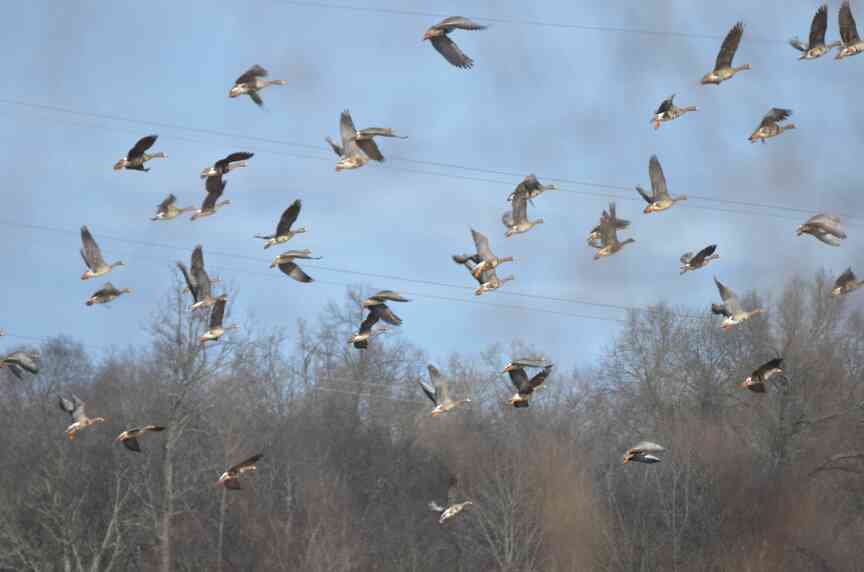
Arctic goose population estimates totaled 1,478,989 light (lesser snow and Ross’) geese and 246,472 greater white-fronted geese in the Delta.
The survey concluded the following results regarding waterfowl in the state:
Independent reporting for Pine Bluff & Jefferson County since 1879.
“The Delta mallard population estimate was 121,205 mallards below the 2025 late-January estimate and 343,221 mallards below the 2010-2025 late-January long-term average. Total duck population estimates were 99,456 birds below the 2025 late-January estimates and 503,937 birds below the longterm.”
Mallards typically account for about 55% of all ducks in the Delta during the late January survey; however, this survey period mallards made up 49% of the total duck estimate.
Most notably, biologists estimated more than 50,000 mallards in 4 survey zones: Bayou Meto-Lower Arkansas, Black-Upper White, L’Anguille and the Lower St. Francis.
“Total duck estimates were greatest in these survey zones and Big Creek additionally accounted for a just over 90,000 total ducks. Hotspot maps indicate several key duck concentration areas in the northern half of the Delta and fairly evenly distributed throughout the central portion of the Delta.”
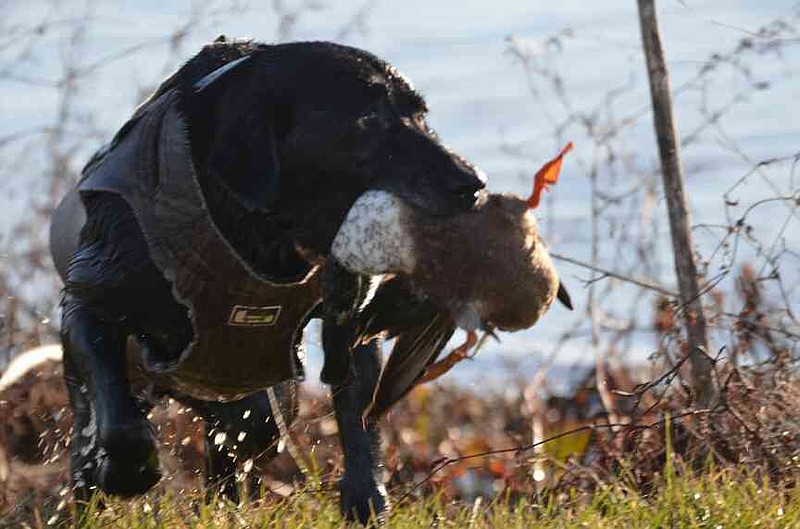
Considering the extreme cold, ice and snow accumulated during the survey period, results of the flyover also showed some hunting success. Numerous duck clubs experienced “flash hunts,” a term referring to unexpected numbers of ducks showing up suddenly, leading to successful harvest numbers.
Old English professional guide service outside Wabbaseka reported a total bird harvest for the three-spit season of 3,448 ducks and geese, with over 200 taken in the final days when fields were covered with snow and ice.
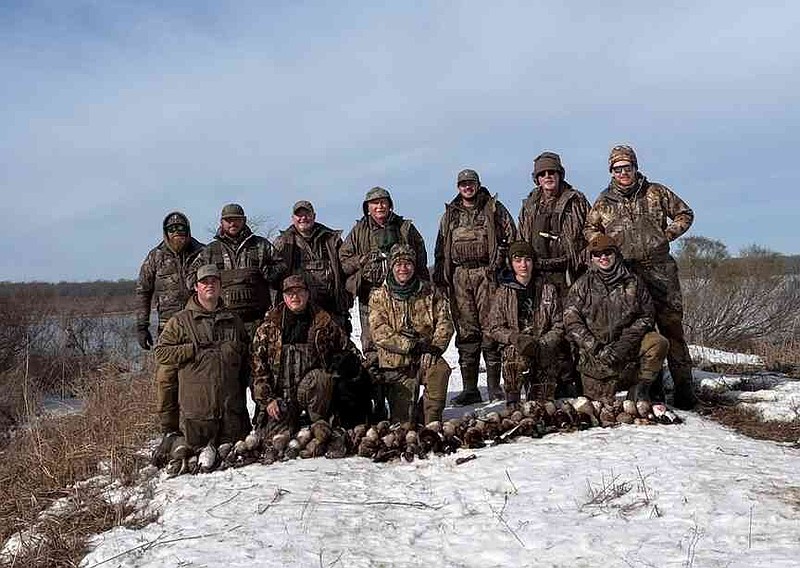
Between Jan. 28-31 during the last four days of the season, when every field and flooded timber hole in the state was frozen solid, a long established club in the world famous Banfields hunting ground of southeast Arkansas took 229 ducks from an irrigation and drainage ditch where tens of thousands of ducks and geese rafted up together, keeping the water thawed and open from their accumulated body heat. At first light on that first morning, the eastern sky blacked out behind a cloud of birds on the rise.
Overall, that club had practically no ducks during the first split from Nov. 22 through Dec. 1. Even with such a shortfall on the front end, the reopening of the hunt on Dec. 10 accompanied by the first good cold snap, launched one of their all-time banner years of successful harvest numbers in the long, storied history of the camp.
Other waterfowlers around Stuttgart related finding ducks coming back to flooded fields in the afternoon when the sun thawed ice into patches of open water.
The duck survey concluded, “This duck season was characterized by dry conditions, ranking from the 3rd driest on record in northeast Arkansas to the 22nd driest in the southeast portion of the state. January has continued to see dry conditions and has been classified as being in even further drought with 99% of the state in moderate to exceptional drought.”
This was the last waterfowl survey of the 2025-26 wintering period.
The annual post season Game and Fish Commission Youth/Veterans Hunt was scheduled for the weekend of Feb. 7-8 with numerous clubs hosting youngsters 15 and under along with retired or active military waterfowlers afield for a final go at goose and duck harvest for the season.