
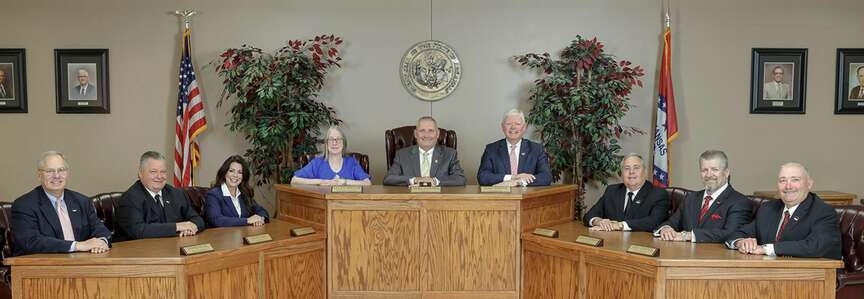
White Hall City Council members unanimously passed a $3.8 million operating budget for 2025 on Dec. 16.
Expected General Fund Revenues include about $100,000 from the city’s courts and another $100,000 in State Turnback funds. However, the bulk of the city’s operating capital comes from its collection of a 1% city sales tax.
The tax is expected to bring in about $1.2 million this year, while the 1% county sales tax is projected total will be about $914,900.
The city’s millage tax will add another $500,000 to the budget.
The city’s franchise tax, permits and fees, and occupation licenses revenues are expected to be about $365,500.
Independent reporting for Pine Bluff & Jefferson County since 1879.
While all city employees received an $800 bonus in early December, a decision about a cost-of-living raise will be made in the coming weeks.
White Hall Mayor Noel Foster said there was no reason for the delay other than the council’s ability to better assess the city’s financial situation at that time.
“We’re just being cautious and good stewards,” Foster said.
FUTURE TAX GROWTH
Over the last several years, Foster said the city has seen a “notable incremental increase” in its city’s collection of its sales tax.
After crunching the numbers Monday morning, Foster said, “Across the board, the tax revenue has increased an average of 6% per year” since 2014.
For example, this year’s 1% sales tax collection was $1,179,526, compared to about $1,106,757 in 2023.
Jefferson County sales tax also saw a bump over time. In 2023, it was about $846,757, while this year, it’s expected to be about $914,933.
Foster said he believes this is due to the recent and extensive commercial development along Sheridan Road on both sides of Interstate 530, Exit 34.
“We believe once the Sheridan Road widening is completed, revenues will increase,” Foster said.
BUDGET MONEY GOING OUT
“We don’t want to spend any more money than we take in, and we’re not planning any big purchases this year,” Foster said.
The total expected expenditures under administrative expenses include about $632,113.42 for salaries, about $145,000 for employee-matching insurance, and about $50,000 for worker’s compensation and city vehicle insurance.
The total expenses for the White Hall Police Department are about $1.56 million, and another approximately $202,877.08 is budgeted for the White Hall Volunteer Department.
The city’s court system has been budgeted about $117,711.42 for expenses, and the parks department is expected to spend about $33,000.
Waste Management expenses are projected at about $377,800, while the city will spend another $100,000 on supplies and services.
The budget for animal control is $8,000, and $53,915.25 for the White Hall Museum.
The annual budget is a flexible ordinance and can be adjusted should the need arise.
Foster said the city has about $2 million in CDs deposited with local banks.
“There were no substantial changes from the 2024 budget,” Foster added.
Although the city is still crunching the numbers, last year’s 2024 expenditure totals will not be available for about two weeks.
SEPARATE BUT SELF-SUSTAINING
The Parks and Recreation Department doesn’t receive money from the city; instead, it operates on a budget generated by ticket and concession stand sales at Crenshaw Springs Water Park and rentals at the James “Jitters” Morgan White Hall Community Center.
This year’s revenues and expenses are expected to be the same, or about $951,204.
Like the city, it only spends what it takes in, and parks and rec doesn’t receive financial support from the city’s general revenue fund.