
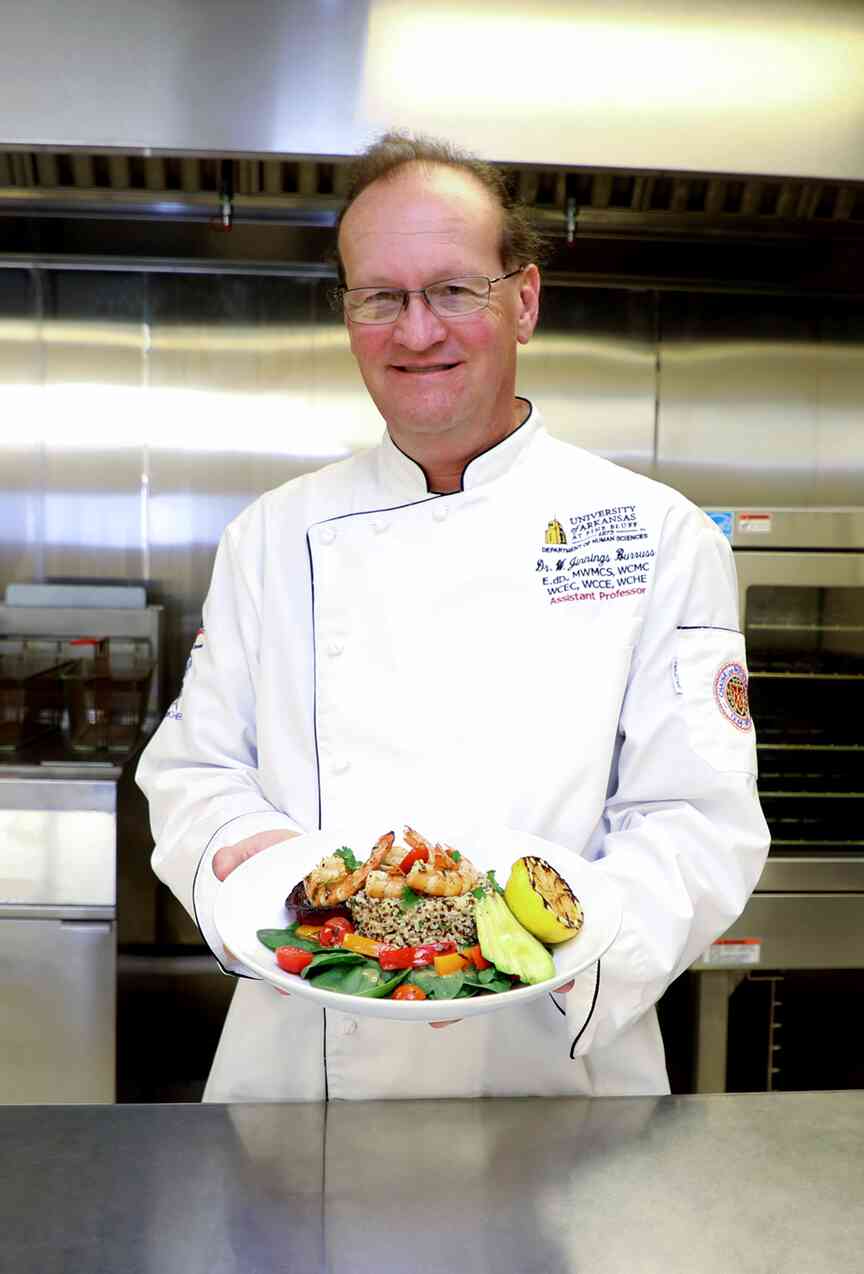
September is National Whole Grains Month, an opportunity to celebrate the health, cultural and economic benefits of whole grains, according to W. Jinnings Burruss Jr., assistant professor of food service and restaurant management at the University of Arkansas at Pine Bluff.
“Whole grains are more than just a dietary choice, they are an important part of community wellness, especially in Arkansas and the Delta region,” he said.
“In areas like the Arkansas Delta, where heart disease, type 2 diabetes and obesity are serious health challenges, whole grains can play a life-changing role. They lower cholesterol, improve blood glucose regulation and promote healthy weight management.”
Burruss said whole grains provide essential nutrients that refined grains often lose during processing. They are rich in fiber, B vitamins, iron, magnesium, selenium and antioxidants, all of which support digestive health, help regulate blood sugar and keep people feeling full longer.
“The Delta is also home to major whole-grain crops such as brown rice, corn and sorghum,” he said.
Independent reporting for Pine Bluff & Jefferson County since 1879.
“Increasing their use not only improves health but also supports local farmers and strengthens the regional economy.”
Burruss said that not long ago, whole grains were seen as niche “health foods.”
However, over the past two decades, both restaurants and home cooks have embraced them.
“Chefs now see grains like quinoa, farro and spelt not just as healthy options, but as premium ingredients that add flavor and depth to dishes,” Burruss said.
“Guests expect to see whole-grain choices on menus, whether that be brown rice bowls or whole-wheat pasta.”
Beyond health benefits, whole grains connect people to global food traditions, he said.
Teff, a staple of Ethiopian cuisine, or amaranth, with roots in Latin America, bring cultural authenticity to modern dining.
Burruss said consumers can expect to see several whole-grain trends in the near futures.
“Ancient grains are making a comeback,” he said.
“Grains such as sorghum, millet and amaranth are appearing on restaurant menus and in farmers markets across Arkansas. Local spots like The Root Café in Little Rock are highlighting regional grains in daily specials.”
He also predicts more gluten-friendly innovation.
With more awareness of gluten sensitivities, naturally gluten-free grains such as rice, buckwheat and teff are being used in breads, pizza crusts and baking mixes. Arkansas-based Riceland Foods has pioneered new rice products that meet this demand.
“Drought-resistant grains like sorghum and barley are gaining attention as environmentally friendly crops,” Burruss said.
“Breweries such as Lost Forty Brewing in Little Rock are experimenting with these grains in craft beers.”
Families looking to add more whole grains to their diets do not need to overhaul their entire pantry.
Burruss recommends a few easy substitutions:
Replace white rice with brown rice, wild rice or quinoa. Arkansas-grown Riceland brown rice is widely available and supports local agriculture.
Choose whole-grain bread or tortillas for sandwiches, wraps and barbecue favorites.
In baking, swap in whole-wheat flour for at least half of the white flour in cornbread, muffins or pies.
Try whole-grain pasta, which now has a lighter texture and appeals to kids as well as adults.
Add oats or barley to soups, stews or casseroles for extra nutrition and heartiness.
“These small changes add up,” said Burruss. “They make family meals healthier without sacrificing flavor.”
At UAPB, Burruss and his students are putting these ideas into practice. Brown rice, sorghum and cornmeal are incorporated into classroom cooking projects, allowing students to experience firsthand the flavor and versatility of local whole grains.
They learned to bake with sorghum flour, preparing risottos with brown rice and making cornbread with stone-ground whole-grain cornmeal. These lessons help students connect Arkansas agriculture with modern culinary trends.
“Students are often surprised at how much they enjoy these ingredients,” he said. “Some say they plan to use whole grains in their own future careers in food service or hospitality.”
Burruss said promoting the consumption of whole grains helps build healthier communities.
“When schools, hospitals and restaurants incorporate Arkansas-grown grains into their menus, they improve health outcomes and also support local farmers,” he said. “This keeps food dollars in the region and strengthens our economy.”
By introducing whole-grain options in school cafeterias, universities and community programs, younger generations learn to view them as everyday staples rather than special health foods. Over time, this shift can reduce chronic disease, lower healthcare costs and create cultural pride in the Delta’s agricultural heritage.
“Embracing whole grains is a win-win,” said Burruss.
“It improves individual health, supports local farmers and connects us to our cultural roots. That’s something worth celebrating this National Whole Grains Month.”
Burruss also recommends individuals celebrate the occasion by preparing grilled shrimp, brown rice and quinoa power bowls.
Grilled shrimp, brown rice and quinoa power bowl
Servings: 4
Prep time: 15 minutes
Cook time: 20 minutes
Ingredients
Base (Grain):
3/4 cups quinoa (red, white or tri-color)
1 1/2 cups low-sodium chicken or vegetable broth (or water)
3/4 cups brown rice
1 1/2 cups low-sodium chicken or vegetable broth (or water)
Protein:
1 lb large shrimp, peeled and deveined
2 tbsp olive oil
2 cloves garlic, minced
2 tbsp Cajun seasoning
Juice of 1 lemon
Salt and black pepper to taste
Vegetables:
1 red bell pepper, sliced
1 zucchini, cut into half-moons
1 cup cherry tomatoes, halved
1 small red onion, sliced
2 cups baby spinach or arugula
Toppings and garnish:
1 avocado, sliced
¼ cup feta cheese (optional)
Fresh parsley or cilantro, chopped
Lemon wedges for serving
Dressing:
3 tbsp olive oil
1 tbsp apple cider vinegar or rice vinegar
1 tsp Dijon mustard
1 tsp honey
Salt and pepper to taste
Directions
1. Cook the quinoa
In a medium pot, combine with broth. Bring to a boil, reduce heat and simmer for 15 minutes until fluffy.
2. Cook the brown rice
In a medium pot, combine with broth. Bring to a boil, cover and simmer for 30 to 35 minutes until tender. Fluff with a fork.
3. Prepare the shrimp
Toss shrimp with olive oil, garlic, Cajun seasoning, lemon juice, salt and pepper.
Grill on medium-high heat for 2 to 3 minutes per side until pink and slightly charred.
4. Grill or roast vegetables
Toss bell pepper, zucchini, onion and tomatoes with olive oil, salt and pepper.
Grill until charred or roast at 400°F for 15 minutes.
5. Make the Dressing
Whisk olive oil, vinegar, mustard, honey, salt and pepper until smooth.
6. Assemble the Bowls
Mix together and divide quinoa and brown rice into four bowls.
Top with shrimp, grilled vegetables and fresh spinach.
Garnish with avocado slices, feta and herbs. Drizzle with dressing and serve with lemon wedges.
Will Hehemann is an extension specialist of communications for the University of Arkansas at Pine Bluff School of Agriculture, Fisheries and Human Sciences.