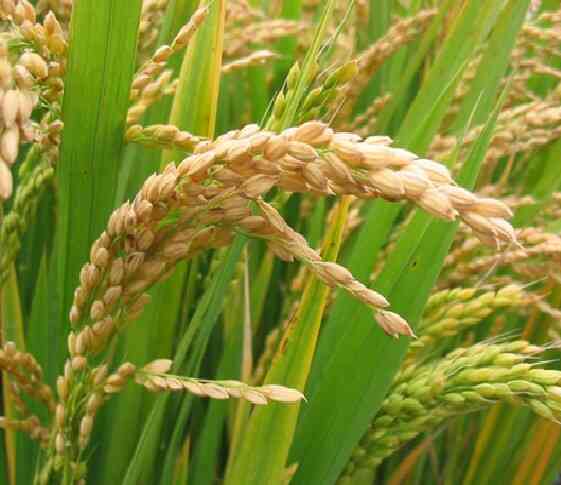
A natural compound found in rice may help protect cells from age-related damage, according to Sankar Devarajan, Ph.D, associate professor of nutrition for the Department of Human Sciences at the University of Arkansas at Pine Bluff.
Devarajan is leading a study focused on gamma-oryzanol, a nutrient-rich compound found in rice bran, a byproduct of the rice milling process. Aging cells in the human body are constantly exposed to harmful molecules called free radicals, which accelerate aging and impair the body’s ability to repair itself. Devarajan said the research asked a simple yet critical question — can a natural, food-derived compound effectively protect aging cells from this damage?
“Beyond the laboratory, this question matters because aging-related cell damage affects everyday health, including skin and tissue function,” Devarajan said. “Incorporating food-based strategies to slow the aging process could enable healthier aging and new preventive measures to reduce disease by consuming nutritive factors rather than pharmaceuticals.”
Gamma-oryzanol is known for its antioxidant and anti-inflammatory properties, as well as its heart and metabolic health benefits. However, the compound does not dissolve easily in water, which limits its absorption by the body. Devarajan’s team worked to enhance the bio-availability of gamma-oryzanol through nanotechnology, delivering it in a tiny, nano-sized form.
Independent reporting for Pine Bluff & Jefferson County since 1879.
“When gamma-oryzanol was delivered in this nano form, it effectively protected cells from aging-related stress,” he said. “It reduced harmful oxidative molecules, helped cells maintain function and even supported repair in cell models. The nano formulation allowed the compound to reach cells more effectively than traditional forms.”
The research was conducted using a cellular model of aging, known as an in vitro model.
Devarajan said the findings pave the way for future studies in animals and humans and could lead to next-generation functional foods, dietary ingredients and supplements that support healthy aging.
“This research brings together expertise in nutrition and biomedical sciences to advance a promising, food-based approach for improving human health,” he said.
“The team’s discovery demonstrates how a natural rice-derived compound, delivered using nanotechnology, can help protect cells from damage and support healthy aging, opening new doors for functional foods and wellness innovation.”
Marilyn Bailey, Ed.D, interim chairperson and professor in the Department of Human Sciences at UAPB, said the study shows the value of student mentorship and hands-on research.
“This work reflects UAPB’s commitment to translational research that starts in the lab but is designed to improve real-world health outcomes,” she said.
Collaboration with the University of Arkansas for Medical Sciences (UAMS) also strengthened the project, Devarajan said. Research partnerships with UAMS enable UAPB researchers to combine nutrition, biomedical science and advanced laboratory models to explore the mechanisms, treatment and prevention of cardiovascular disease, aging and other disorders. The Connect Arkansas Research Scholars program, a collaboration launched in 2022 between UAMS and UAPB by Mansour Mortazavi, UAPB professor of physics, was instrumental in supporting the research and establishing a foundation for future projects.
“This study is an excellent example of how nutrition science and biomedical research can work together to address fundamental questions about aging and cellular health,” said Dr. Shengyu Mu, professor for the UAMS Department of Pharmacology and Toxicology. “By improving the delivery of gamma-oryzanol through nanotechnology, our team demonstrated how a naturally occurring, food-derived compound can more effectively reduce oxidative stress and support cellular repair.”
Nancy J. Rusch, Ph.D, chairperson and professor in the Department of Pharmacology and Toxicology at UAMS, said the collaboration illustrates the advantages of inter-campus research.
“Universities within the University of Arkansas System can share talent, expertise and resources to expand biomedical research across Arkansas,” she said. “Inter-campus research provides new opportunities for faculty and trainees to engage in interdisciplinary work, strengthening the biomedical research environment on both campuses.”
The study was supported by the U.S. Department of Agriculture’s National Institute of Food and Agriculture and published in the peer-reviewed Journal of Functional Foods.
Will Hehemann is an Extension specialist for communications at the University of Arkansas at Pine Bluff School of Agriculture, Fisheries and Human Sciences.