While millennials and the hip-hop generation may be unaware of Jefferson County’s influential role in America’s Civil Rights Movement, the NAACP wants to educate and engage the upcoming generations.
There was William Harold Flowers, a leading civil rights figure in the 1940s, followed two decades later by Bobby James Hutton, the first recruit of the Black Panther Party, and Leroy Eldridge Cleaver, Black Panther and author of the influential memoir “Soul on Ice.”
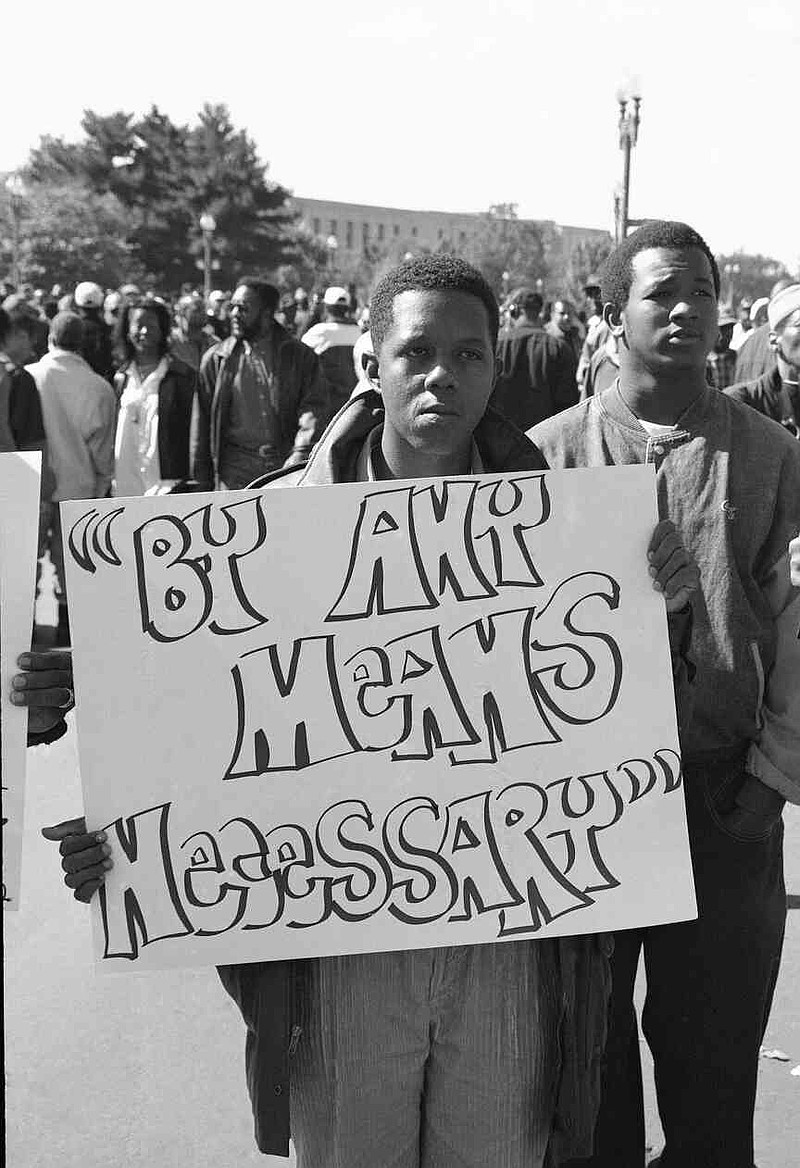
About three decades later, on Oct. 16, 1995, a young Washington, D.C., lawyer named Roderick “Rod” Terry captured many of the most iconic images of the 1995 Million Man March that took place on the National Mall in Washington.
All were born in Jefferson County.
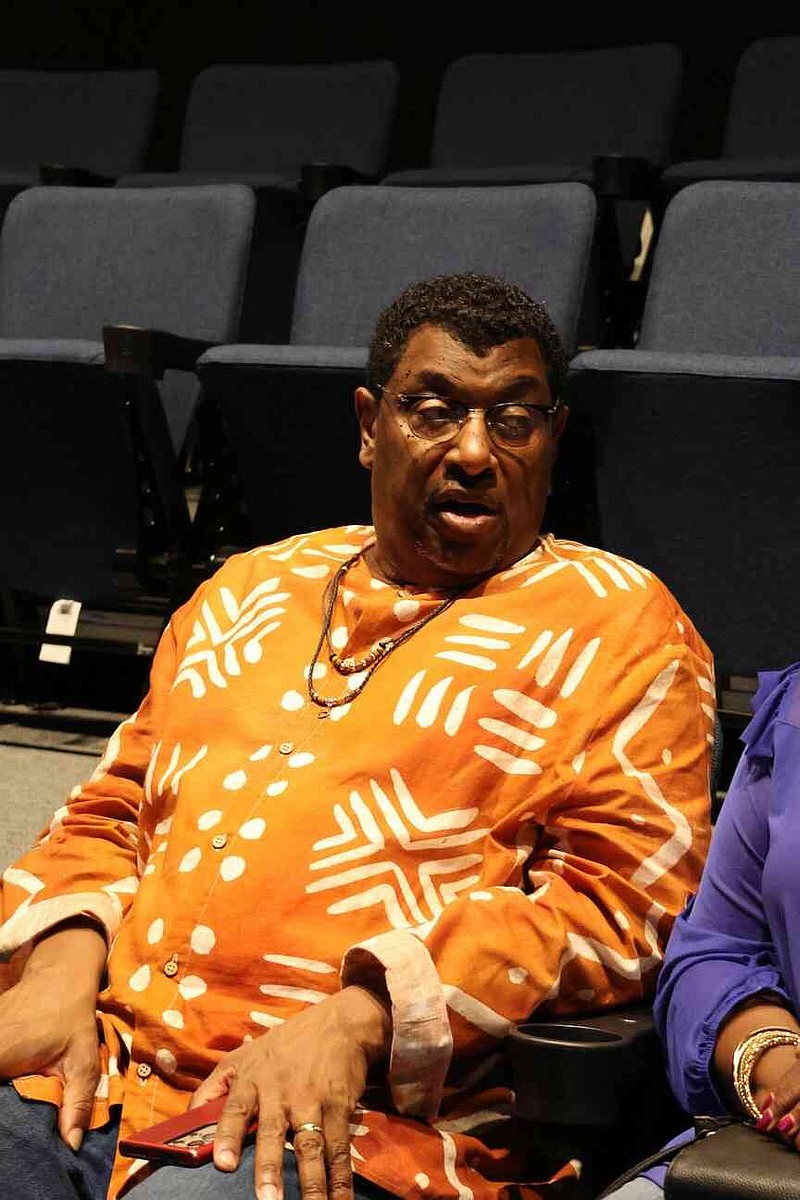
On April 18, the public was invited to a free screening of HBO’s “Eyes on the Prize III: We Who Believe in Freedom Cannot Rest” shown in the Arts and Science Center for Southeast Arkansas’s Black Box Theater.
Independent reporting for Pine Bluff & Jefferson County since 1879.
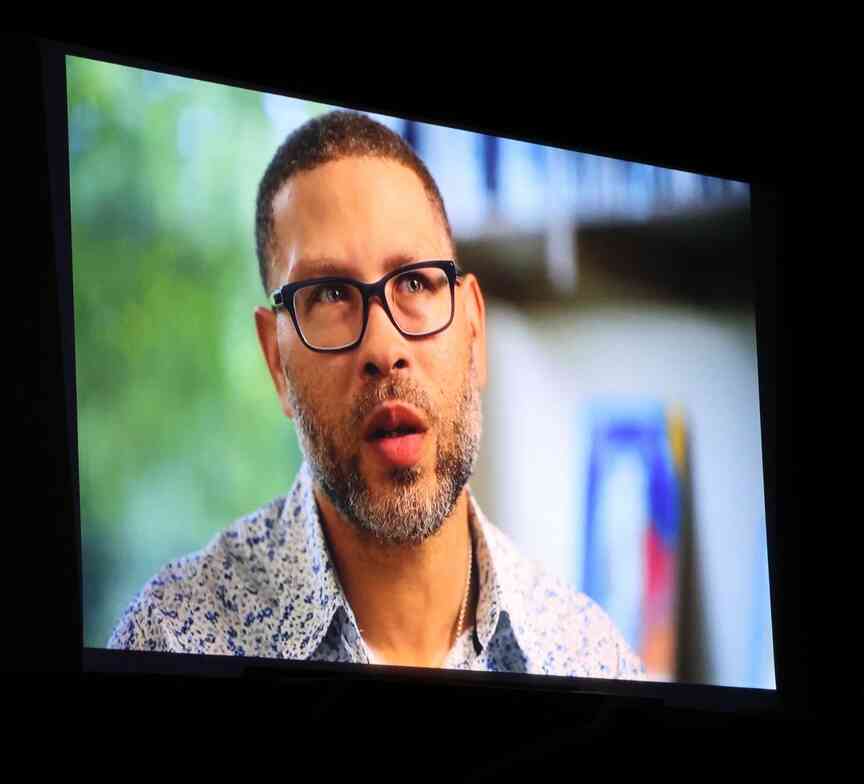
The 59-minute film, directed by Muta’Ali Muhammad, examines the Million Man March and is one of six episodes examining the Civil Rights Movement.
The Pine Bluff Department of Economic and Community Development, the Pine Bluff Public Library and the Pine Bluff Branch NAACP sponsored the showing.
The Million Man March was a “pivotal moment in contemporary Black history that brought together hundreds of thousands in a powerful demonstration of unity and purpose. The documentary explores both the controversy surrounding the march and the profound sense of community it inspired,” said Michael McCray, one of the evening’s organizers and the city’s cultural development specialist.
The showing was in observance of the 57th anniversary of Dr. Martin Luther King Jr.’s assassination April 4, 1968.
“There are lessons to be learned from the past, and they can help determine where we go from here,” said McCray early in the evening as guests entered the theater.
Albert King Jr., political chairman of the Pine Bluff branch of the NAACP, agreed and sees an opportunity to continue the Civil Rights Movement.
“It’s a chance to learn from the past and to inspire the next generations… Our work is not done,” King said.
IN-PERSON
The film included conversations with three men from Pine Bluff — Jimmy Cunningham of Pine Bluff, Bobby Sykes of Little Rock and Rod Terry of Washington — who attended the march.
“Their participation connects our community directly to this significant chapter in our ongoing struggle for equality and justice,” McCray said.
For Sykes, who traveled to Washington for the march and attended the Pine Bluff screening and discussion, it was life-changing.
“It was an important contribution to the ongoing struggle (at that time) and its impact is still being felt,” Sykes said.
“I see this as continuing the conversation,” said Cunningham, who also attended the event. “We can’t rest.”
NOT WITHOUT CONTROVERSY
There were disagreements on attendance numbers at the march, feminists felt excluded, march organizer Louis Farrakhan’s remarks were often seen as antisemitic, and some believe he used the march for personal gain.
Others saw it differently.
It had positive and significant impacts, including a surge in voter registration and an increase in male participation in civil rights-related organizations post-march. It placed a premium on responsibility and community.
THE AFTER DISCUSSION
Following the screening, attendees engaged in a community panel discussion focusing on critical issues facing Pine Bluff today, including youth development and violence prevention strategies.
The Group Violence Intervention Task Force was to lead this conversation, creating connections between historical civil rights activism and contemporary community challenges.
“This event represents more than just a commemoration,” said Ivan Whitfield, president of the Pine Bluff Branch NAACP.
“It’s an opportunity to inspire our youth through historical context while addressing the pressing issues they face today. The path from Dr. King’s vision to our current reality deserves thoughtful examination,” Whitfield said.