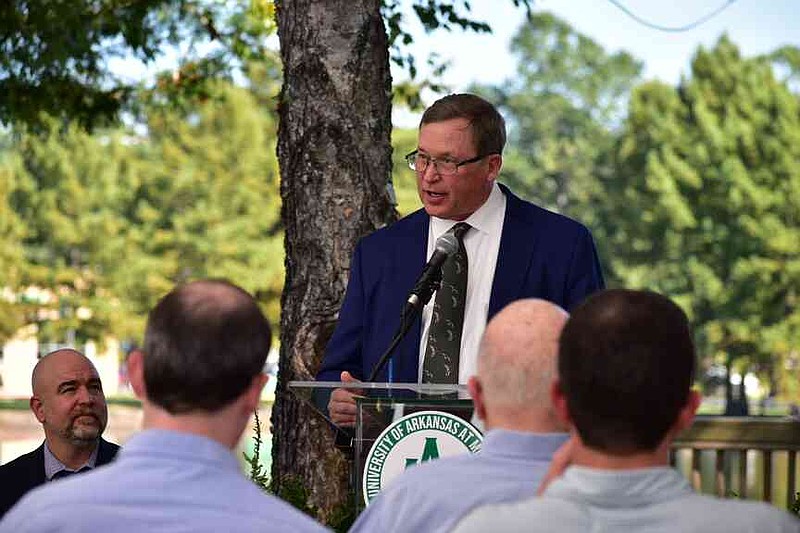
MONTICELLO – The Snowden Waterfowl Center of Excellence and the position of Dyke-Snowden Endowed Chair were dedicated at the University of Arkansas at Monticello on Monday.
The Snowden Waterfowl Center and endowed chair are the result of $7 million in contributions, beginning with a $1 million allocation from the state Legislature in 2022. Businesses and individuals including David Snowden, a trustee of the Arkansas Nature Conservancy, and Merritt Dyke, of Little Rock’s Dyke Industries, contributed to the venture, said to be the first of its kind in the country. It will be based in the Arkansas Forest Resources Center at UAM and aims to enhance the education of waterfowl and wetlands academic research.
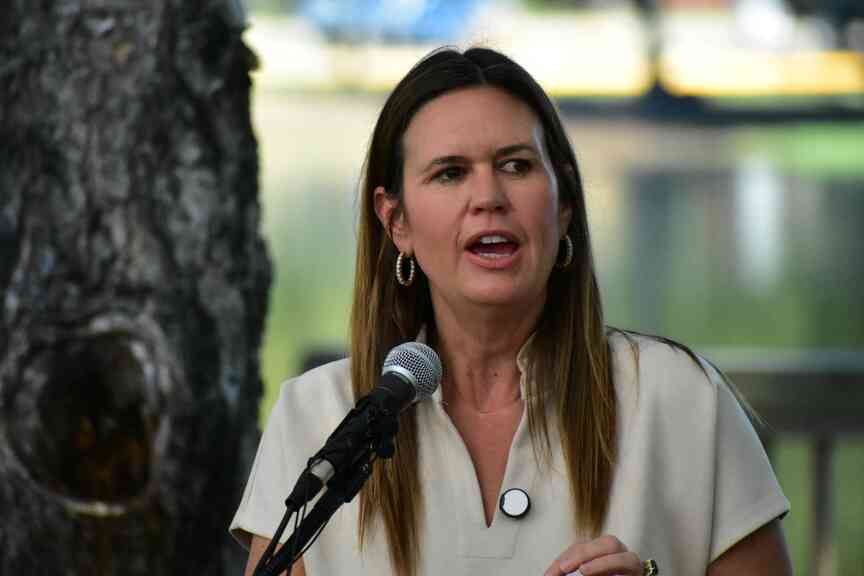
Gov. Sarah Huckabee Sanders attended as part of her second annual Farm Tour, which she is taking through Tuesday to visit farm-related businesses across the Arkansas Delta and Southeast Arkansas. Sanders had visited Whitaker Farms in McGehee earlier in the day.
“As you know, ducks are big business in our state,” Sanders said. “A study in recent days found that in the 72 days of our waterfowl season, hunters spend more than $300 million each year here in Arkansas. That’s $4 million a day to help keep our communities up and down the Delta surviving and thriving.
“But as you know, duck hunting is much bigger than that. For many Arkansas families, a kid’s first duck hunt is a rite of passage. It’s part of our identity. It’s part of the Arkansas story. And this center is coming into being at a time when, unfortunately, that way of life is coming under threat.”
Independent reporting for Pine Bluff & Jefferson County since 1879.
Snowden, a waterfowl conservationist, referred to a statistic that 2,000 acres of farmland is lost per day due to urban sprawl in the U.S.
“One of the main examples of that currently are the development of solar and wind farms,” Snowden said.
Funding the Waterfowl Center took commitment from hunters, waterfowlers and conservationists, he added.
“I’ve had a vision for a quite a while that Arkansas should be home to one of the leading waterfowl academic institutions. It all came together in recent years,” Snowden said, adding that that vision came together in the last five years. “The importance of having these students come on and be the waterfowl advocates of the future and our future educators (was important).”
Dyke said Snowden asked him late spring or early summer to consider his vision.
“David had been thinking about it for a long time. He’s got a great vision, he asked me to help fund that vision, and that’s what I’m here to do, and I like being in the background,” Dyke said.
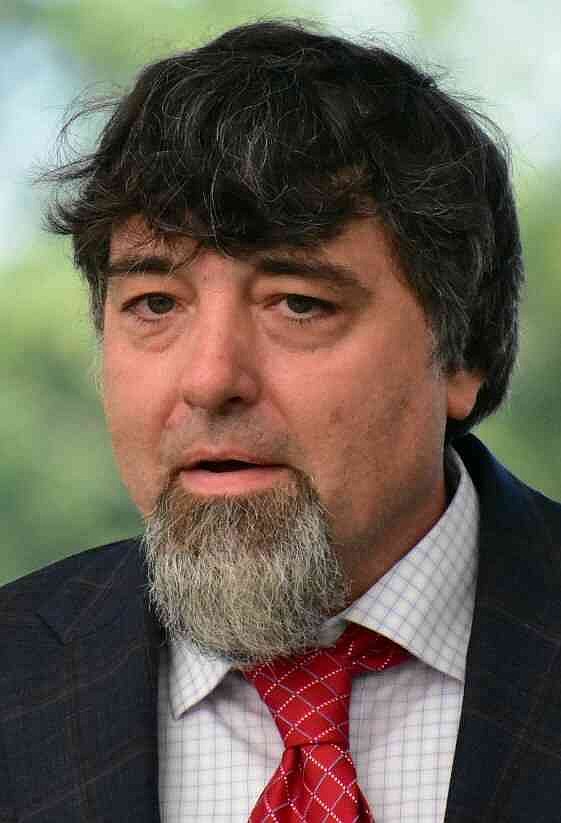
Douglas Osborne is the inaugural center director and Dyke-Snowden Chair. He said the landscape rapidly changes every day and researchers at the center must be on the front end to understand its impact on waterfowl.
Osborne was hired at UAM in 2012 with the goal of establishing and building a waterfowl program.
“It’s been a long road,” Osborne said. “We’ve had exceptional students come through our program, make big impacts out there in conservation, and we’re looking forward to the next leg of that journey.”
Deacue Fields, vice president for agriculture in the University of Arkansas System, said UAM already has a foundation in wildlife and waterfowl management.
“This just really allows us to expand what we’re doing and build on a program that will have national significance and be recognized nationally as the place to go for waterfowl management for education, for research and overall outreach,” Fields said.
The center was dedicated four days before the first anniversary of the groundbreaking for the Arkansas Forest Health Research Center, which Sanders attended and is also said to be the first of its kind. Located behind the Fine Arts Center, the Forest Health Research Center is expected to be completed by April 2026, according to UAM Chancellor Peggy Doss.
“It is really surreal that we’re having so many positive things happen in a short period of time,” Doss said. “Honestly, it speaks to the support and collaboration of our community, of our state, of our governor and all of our different partners we have that just value what we’re doing here in general at UAM. But when you have a resource as unique as our College of Forestry, Agriculture and Natural Resources, it’s just a natural place for these kinds of projects to land, and it’s building to the economy of Arkansas.”