
For more than two decades, the University of Arkansas at Pine Bluff has stood at the forefront of tobacco prevention in Arkansas, delivering measurable change in the health outcomes of some of the state’s most vulnerable communities.
As we celebrate 23 years of progress, the numbers speak volumes: Arkansas’s adult smoking rate has dropped from 27% in 2002 to 14.5% in 2020 — a remarkable 46.3% decrease. But despite this success, the fight is far from over.
UAPB’s Tobacco Cessation Program, born from the 2000 voter-approved Initiated Act One, has combined research, community engagement, and culturally tailored outreach to tackle tobacco use head-on.
The Minority Initiative Sub-Recipient Grant Office (MISRGO) has provided $12 million in funding to over 100 organizations, 88% of which have met or exceeded their goals. From faith-based outreach and workplace policy support to targeted media campaigns on menthol and vape use, UAPB’s comprehensive strategy has been both innovative and effective.
And yet, tobacco-related disparities remain. The tobacco industry continues to heavily target disparate and underserved populations. For instance, the Centers for Disease Control and Prevention wrote in 2024 that tobacco companies use samples and giveaways to entice people with low socioeconomic status to try and use their harmful products, even going as far as handing out free cigarettes to children in public housing complexes, homeless shelters, and places where free meals are provided.
Independent reporting for Pine Bluff & Jefferson County since 1879.
Big Tobacco has also included coupons for cigarettes in mailings for government food stamps. (See source here.) In these communities, the burden of tobacco use and secondhand smoke exposure is still disproportionately high. That’s why UAPB’s work must continue — with even greater urgency.
The achievements of the past 20-plus years underscore the importance of sustained funding, ongoing research, and culturally specific interventions. UAPB’s Minority Research Center has awarded over $87,500 in research grants, and its Graduate Addiction Studies program — Arkansas’s only graduate-level program focused solely on addiction science — has produced 148 trained professionals ready to make a difference.
If we become complacent, we risk reversing the gains we’ve made. Continued investment in community-driven, evidence-based prevention efforts is essential, especially as new threats like flavored e-cigarettes and vape products gain popularity among youth.
UAPB has shown us what’s possible when public health, community voices, and intentionality align. Let’s ensure the next 20 years build on this legacy — not just for Arkansas, but for every underserved community facing the scourge of tobacco.
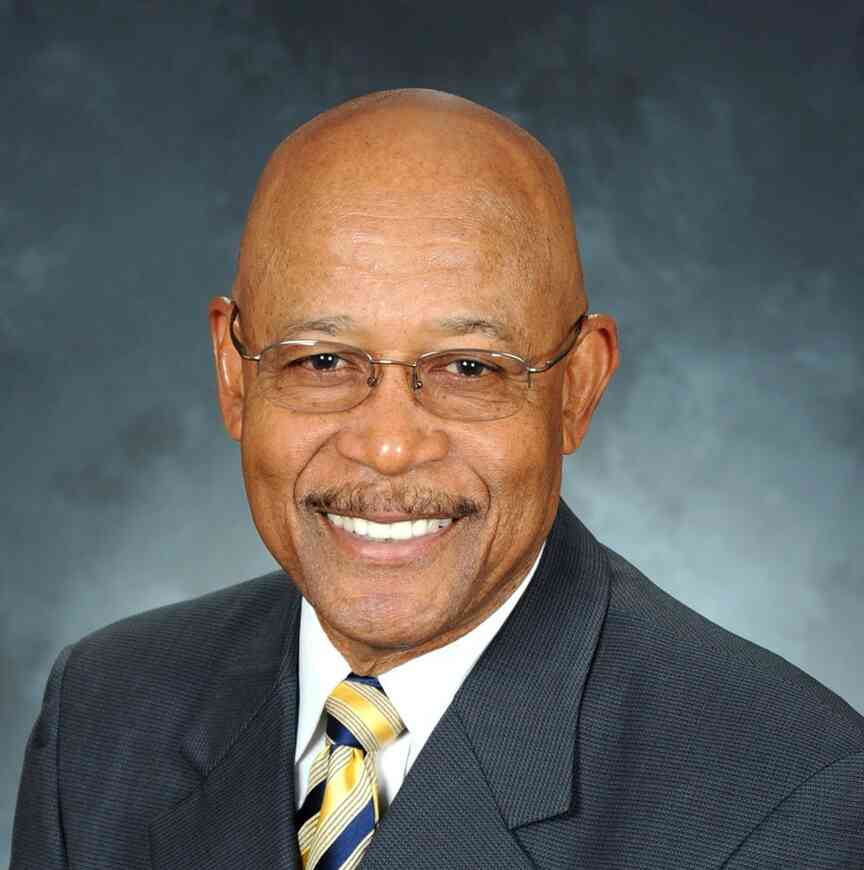
Calvin Johnson, Ph.D, is chair of the UAPB Tobacco Cessation Advisory Board and director of the Minority Initiative Sub-Recipient Grant Office.