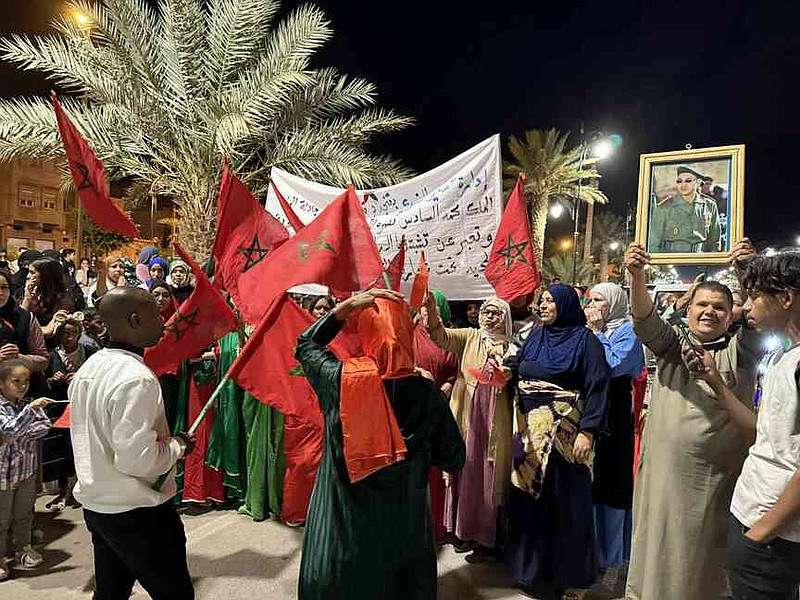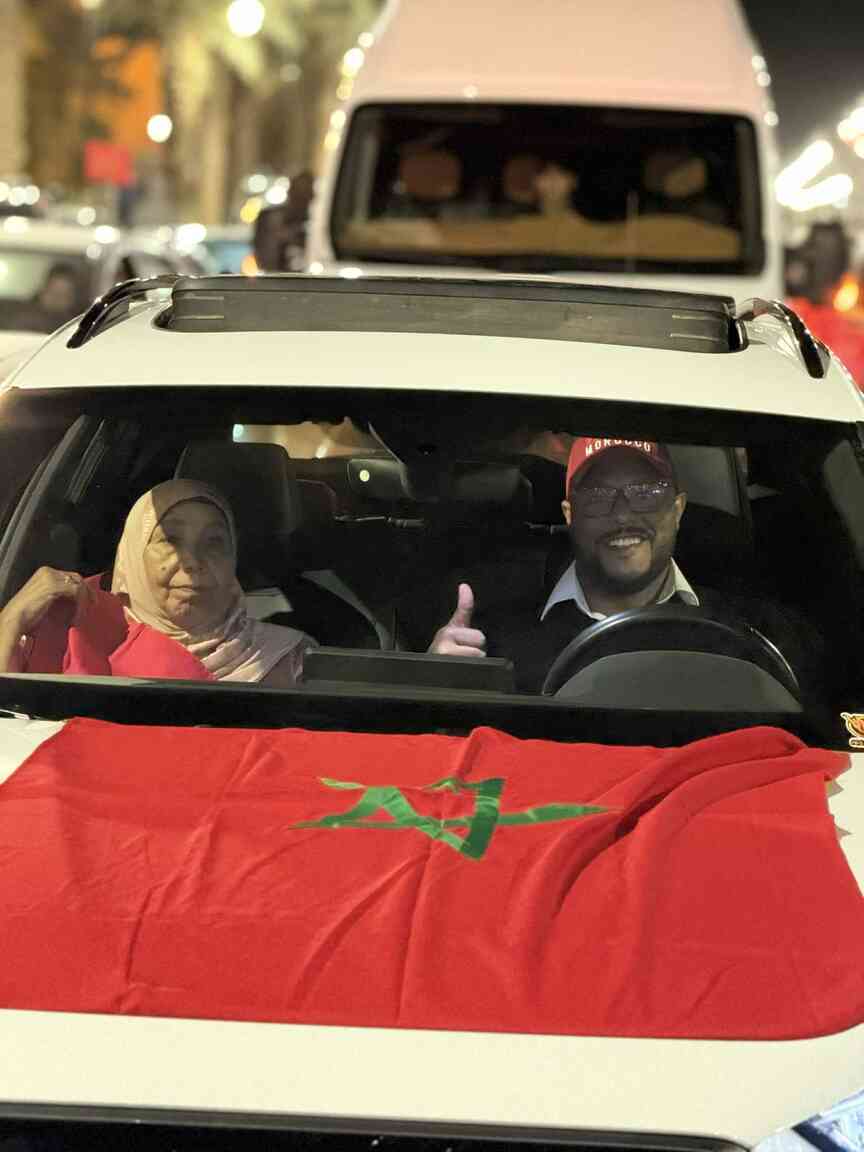
The recent United Nations endorsement of Morocco’s autonomy plan for the Sahara marks a defining moment in the country’s modern history — and for Miloud Bahadi, a proud Moroccan resident of Pine Bluff, it represents both a national and personal victory.
Bahadi, who recently returned from Morocco where he celebrated the event with family and fellow citizens in his birthplace Tinejdad, described the moment as “a triumph for peace, stability, and the unity of the Moroccan people.”
“Being in my hometown during this historic moment was emotional and inspiring,” he said. “It reminded me that Morocco’s strength lies in its unity and its continued pursuit of peaceful solutions.”
In Pine Bluff, Bahadi has become a bridge between Morocco and Arkansas through civic leadership and cultural diplomacy. As past president of the West Pine Bluff Rotary Club, he led efforts to raise funds and install Rotary Peace Poles across the city — symbols of unity, peace and friendship between peoples and nations.
Independent reporting for Pine Bluff & Jefferson County since 1879.
Continuing this spirit of international cooperation, Bahadi is currently working on an initiative to establish a Sister City relationship between Dakhla, located in the Moroccan Sahara, and the city of Pine Bluff. The project aims to foster exchange in areas such as culture, business, education and sustainable development. As founder of the Arkansas Moroccan American Network and General Delegate for the International Forum for Moroccan-African Cooperation in the U.S., Bahadi has long championed dialogue and collaboration between Morocco, Africa and the United States.
“This UN recognition of Morocco’s autonomy plan is more than a diplomatic success,” Bahadi said. “It’s a reaffirmation of Morocco’s long-standing commitment to peace, progress and international partnership — values that connect perfectly with the spirit of Pine Bluff.”
For Bahadi, the celebration is deeply personal. It ties together his two homes — Morocco and Pine Bluff — in a shared vision of peace, cooperation and people-to-people diplomacy.
The autonomy plan offers a realistic, peaceful solution that guarantees Morocco’s sovereignty while granting the Sahraoui people self-governance over their local affairs. It ensures stability, development and dignity for all communities in the region. It reflects Morocco’s long-standing commitment to peace, democracy and regional cooperation under the leadership of King Mohammed VI.
Bahadi emphasized that this achievement is the result of the king’s steadfast vision for a peaceful and prosperous Morocco that continues to strengthen ties across Africa, the Arab world and the international community.
“His Majesty King Mohammed VI has shown unparalleled leadership in advancing peace and regional cooperation,” Bahadi said. “This milestone honors his vision and Morocco’s firm belief in unity and dialogue.” Bahadi also expressed appreciation for the Trump administration, whose recognition of Morocco’s sovereignty over the Sahara helped pave the way for this UN endorsement. He extended gratitude to the friendly nations that stood with Morocco and voted in favor of the autonomy plan countries that have long supported Morocco’s pursuit of a peaceful and lasting resolution to the regional dispute.