
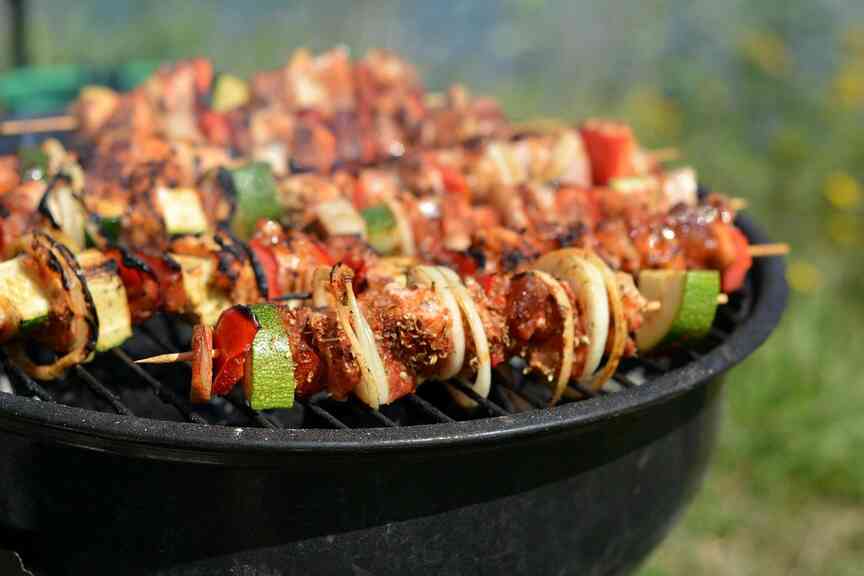
July is National Grilling Month — a perfect time to enjoy the great food and the outdoors and invite friends and family, but not foodborne illness.
Whether you’re grilling at home or transporting food to a cookout, practicing safe food handling is essential from the refrigerator or freezer all the way to the table.
The U.S. Food and Drug Administration offers several grilling tips to help keep your meals both tasty and safe.
Marinate safely. Always marinate foods in the refrigerator, not on the counter or outdoors.
If you plan to use some of the marinade as a sauce, set it aside before adding raw meat, poultry or seafood. Never reuse marinade that has touched raw food.
Independent reporting for Pine Bluff & Jefferson County since 1879.
Partial cooking? Be cautious. Partial cooking is only safe if the food goes directly onto a hot grill immediately.
Cook to the right temperature.
Use a kitchen meat thermometer to ensure that food reaches a safe internal temperature:
Poultry and ground poultry: 165 F
Ground meats and hamburgers: 160 F
Beef, pork, lamb and veal: 145 F, with a rest time of at least three minutes.
Fish: 145 F, or until the flesh is opaque and flakes easily with a fork.
Shrimp, lobster and crab: Cook until flesh is pearly and opaque.
Keep grilled food hot. Move cooked food to the edge or back of the grill, away from direct heat, to keep it warm without overcooking.
Clean utensils and surfaces. After food prep, wash all cutting boards, dishes, utensils and countertops with hot, soapy water to prevent cross-contamination.
Inspect for bristles. If you use a wire bristle brush to clean the grill, carefully check the grill grates and food to ensure no bristles are left behind.
Avoid cross-contamination. Wrap raw meat, poultry and seafood tightly to prevent juices from contaminating other foods, especially ready-to-eat items like fruits and vegetables.
Stay out of the danger zone. Never leave food sitting in the temperature danger zone — 40-140 F — for more than two hours, or one hour if the temperature outside is above 90. Bacteria multiply quickly in this range, increasing the risk of foodborne illness.
Check out these helpful links for more information:
FDA: Handling Food Safely While Eating Outdoors at https://www.fda.gov/food/buy-store-serve-safe-food/handling-food-safely-while-eating-outdoors.
Partnership for Food Safety Education: Food Safety on the Move at https://fightbac.org/food-safety-on-the-move-3/.
To learn about extension programs in Arkansas, contact your local Cooperative Extension Service agent or visit www.uaex.uada.edu.
Teresa Henson is with the University of Arkansas System Division of Agriculture.