
Editor’s note: This is the final part of a series.
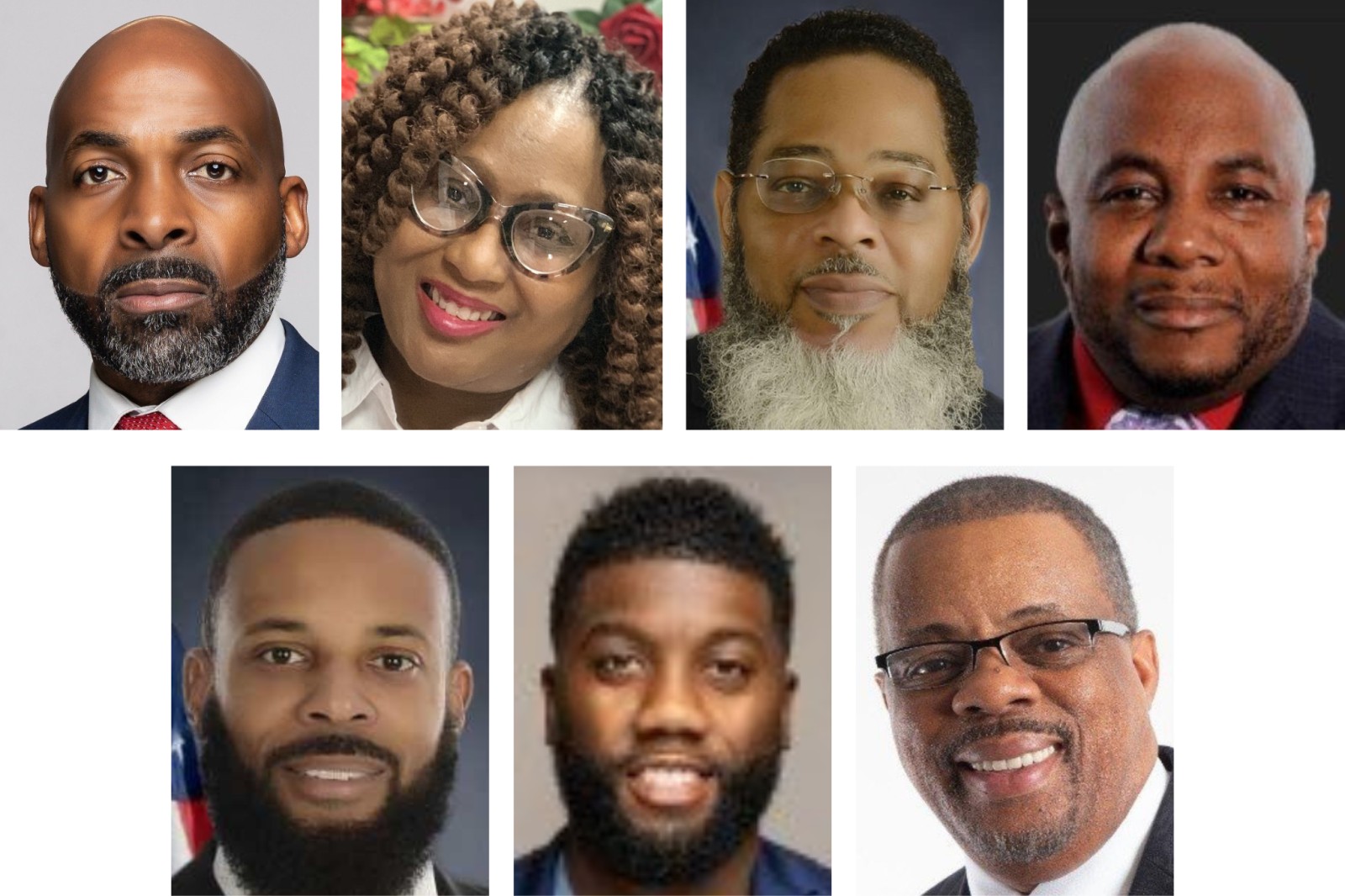
Jefferson County justice of the peace candidates offered their final views on the county’s most pressing issues, detailing their approaches to tackling the contentious issues of road maintenance and infrastructure funding, their strategies for promoting civil discourse and collaboration within the Quorum Court, and the metrics they would use to measure their success and accountability in office.
The questions are as follows:
1. Road maintenance and infrastructure funding have been points of contention. What is your approach to prioritizing and funding county infrastructure needs?
Independent reporting for Pine Bluff & Jefferson County since 1879.
2. In your view, what is the role of a justice of the peace in promoting civil discourse and collaborative problem-solving in county government?
3. How would you measure your success as a member of the Quorum Court?
OSCAR BULLARD
1. Infrastructure priorities should be guided by condition assessments, safety concerns and long-term planning. I support a transparent process that evaluates road conditions, drainage needs and public safety impacts, while strategically leveraging state and federal funding when available.
2. A justice of the peace plays a critical role in problem-solving in the county government. The role requires calm leadership, respectful discussion and teamwork within the Quorum Court. Civil discourse allows disagreements to remain productive and leads to better outcomes for the county.
3. I would measure success through supporting first responders in public safety, transparency on clear budgets and trust in how tax dollars are spent, ensuring county employees and residents are heard and treated fairly, improved infrastructure and increased public trust. Success also means District 4 residents feel informed, heard and well represented.
TINA BUTLER
1. The amount of appropriation to county roads needs to be increased. The county roads need many repairs.
2. The role of justice of the peace is to legislate for county government professionally for the benefit of the people of the entire Jefferson County.
3. The Quorum Court has operated in past years in pandemonium and chaos. It will be a success just to be able to operate as one unified legislative body.
ALFRED CARROLL
1. First, let me be clear: every county department has been fully funded every year for the past several years based on the elected official’s request. Such funding assures that each department can function at an optimal level (providing needed services to Jefferson County citizens).
The county judge’s office oversees seven different departments and service offices ($8.5 million). The county judge, his chief of staff, supervisors and employees are solely responsible for all road maintenance, infrastructure monitoring, repair and building upkeep.
Authorizing by county ordinance and an independent needs assessment of county roads and infrastructure is the only way to get a true picture of this issue. Additionally, I would encourage regular community chats by legislative districts and support the establishment of district Neighborhood Watch Teams, and establish the Jefferson County Rural Road Citizens Committee.
2. It is very important for a justice of the peace, any appointed or elected leader, to support civility, cooperation and respect as he or she carries out the wishes of their constituents. Such behavior is very easy when the rules are respected and adhered to by all. However, I do place the rights and protections of our people above being politically correct.
3. I think I’ve been very successful. When I entered county government as an elected official, there were fewer than five Black elected county officials; now there are over 15. I certainly believe my 24-year tenure has brought awareness to how instrumental the functions of county government are to our everyday lives, motivating some to register to vote, get involved and even run for public office. Secondly, I have sponsored and supported legislation that has been good for UAPB, SEARK, our youth, business, economic development, citizens and county employees. I’ve also been instrumental in stopping bad legislation and irresponsible spending practices. Although some of my colleagues or media outlets might disagree with my position on some issues, most will say: I studied the law, know the issues, I stand up for what I believe is right, my vote is not for sale and I side on fairness.
Finally, voters have expressed their approval of my service in 12 elections over the last 24 years.
CEDRIC JACKSON
1. My approach is to prioritize infrastructure needs based on safety, long-term impact and the needs of residents across all districts. I support using data and regular assessments to identify the most critical road and infrastructure projects, while ensuring funding decisions are transparent and fiscally responsible. Planning, seeking available grants and maintaining consistent oversight will help us address infrastructure challenges efficiently while making the best use of taxpayer dollars. The county judge needs to ensure that funds are spent within the approved budget, maintain adequate staffing to complete daily operations and hold staff accountable for performing their duties effectively and professionally. Transparency in spending, particularly within the Road Department, is essential. This includes ensuring services are delivered efficiently and that contracts are awarded through a fair and competitive bidding process to secure quality work at the best value for taxpayers.
2. The role of a justice of the peace is to lead with professionalism, respect and a commitment to serving the public. That includes promoting civil discourse by listening to different perspectives, encouraging constructive dialogue and focusing on solutions rather than conflict. By building relationships, seeking common ground and keeping the community’s best interests at the center of every decision, a justice of the peace can help foster collaboration and ensure county government operates effectively and responsibly.
3. I would measure my success by the positive impact on the community, including maintaining a balanced and responsible budget, protecting essential services, supporting county employees, and improving infrastructure and public safety. Success also means fostering collaboration within the Quorum Court, increasing transparency and ensuring residents feel heard and represented. Ultimately, my goal is to help move the county forward through effective leadership and accountable decision-making.
REGINALD JOHNSON
1. Jefferson County’s infrastructure is in serious need of improvement. There has been no clear or visible long-term plan, and the condition of our roads reflects that lack of planning. I believe infrastructure funding must be guided by data, transparency and planning. Without proper planning and accountability, progress will remain limited and inconsistent.
2. A justice of the peace is elected to serve the people of the county, not individual officials or political interests. Civil discourse and collaboration come from independent judgment, respect for differing viewpoints and prioritizing the needs of residents in budgeting and policy decisions. County government functions best when justices exercise independent decision-making and remain accountable to the public they represent.
3. I measure success by tangible improvements in transparency, access and fairness within county government. During my time on the Quorum Court, changes have been made that allow elected officials greater access to the agenda and prevent unnecessary delays in addressing county business.
Success means ensuring that county operations are not dependent on personal approval or political favor, but instead follow clear rules, fair processes and respect for all elected officials.
JOSEPH O’NEAL III
1. Infrastructure should be prioritized based on safety, usage and long-term cost savings. I would support planned maintenance over emergency fixes whenever possible, because preventative work saves money and reduces disruptions for residents.
2. A justice of the peace should help set the tone. That means staying professional, listening carefully and focusing on solutions instead of arguments. Good leadership isn’t about being the loudest voice; it’s about helping people work together to hit the desired mark.
3. I would measure success by whether or not county employees are supported, whether services remain reliable, whether residents feel heard, and whether decisions are made openly and fairly. If the government is stable, transparent and responsive, then we’re doing the job right.
IVAN WHITFIELD
1. I support strong investment in infrastructure. A sound approach is to prioritize county road needs, using a ranked list developed by the county judge or a designated appointee.
2. Promoting civil discourse and collaborative problem-solving begins with mutual respect. We must work as a team, be willing to agree to disagree and avoid taking differences of opinion personally. It also helps when everyone clearly understands their responsibilities and stays within their proper scope of authority.
3. Ultimately, it is up to the citizens to decide. My focus is to do everything I can to leave the Quorum Court in better shape than I found it.