
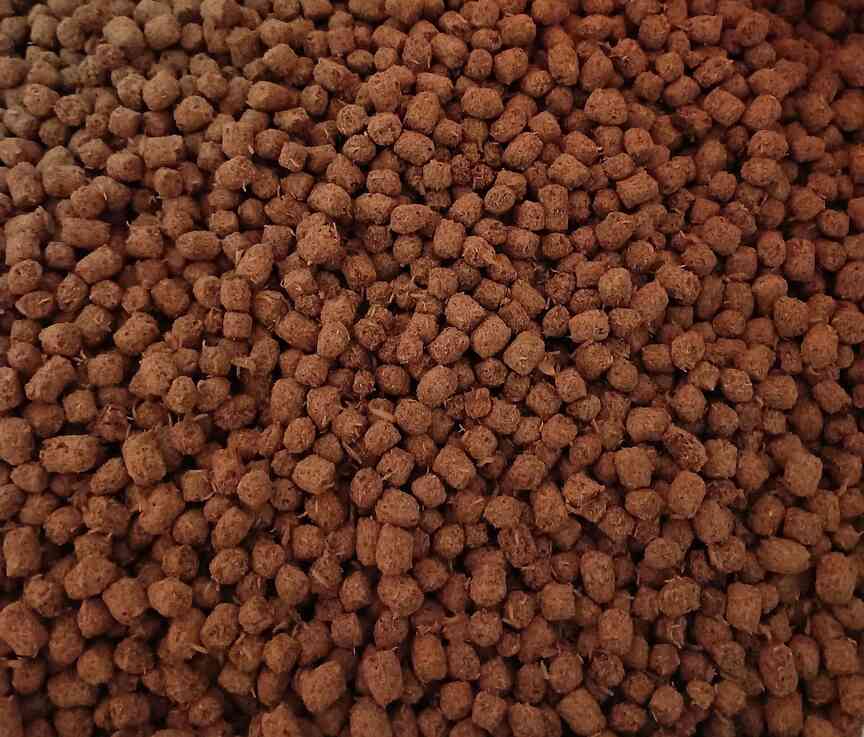
One of the easiest ways to boost fish growth in ponds is by providing them fish feed, Scott Jones, small impoundment extension specialist at the University of Arkansas at Pine Bluff, said.
“Some species benefit directly by eating the feed. Other species benefit indirectly by eating the fish that eat the feed or the organisms that become more abundant because of feeding,” Jones said.
“Matching the type of feed to your target species can enhance growth even further.”
Which Fish Eat Feed?
Not all fish eat feed, he said.
Independent reporting for Pine Bluff & Jefferson County since 1879.
Bluegill, hybrid sunfish, channel catfish, koi, tilapia, hybrid striped bass and sometimes redear sunfish are the common Arkansas fishpond species that will readily eat and thrive on fish feed.
“Grass carp are notorious for eating fish feed as well,” Jones said.
“This is detrimental to their intended task of clearing pond weeds, and it robs other sport fish of their feed.”
“Pond owners using grass carp for weed control but also wanting to feed their sunfish will, unfortunately, have to accept some level of feed loss to grass carp,” Jones said.
Which Feed Should I Use?
Producers wanting the “perfect” feed for their fish can choose different pellet sizes, whether the feed floats or sinks, and even the protein and lipid composition of the feed, he said.
“While there is merit to this level of precision, most pond owners just want a good feed for a good price — something all-purpose,” Jones said.
For those wanting general purpose, select a floating fish feed with about 32%-35% protein and 5%-10% lipid in a 1/8-to-3/16-inch pellet.
Many large-chain home and garden suppliers carry a generic pond fish feed that will serve, he said.
“For those wanting to fine-tune diets for adult fish, select floating pellet sizes 1/4 to 1/3 of the gape (mouth width) of the target fish,” Jones said.
“Bluegill, hybrid bluegill, redear sunfish and hybrid striped bass will grow better on diets containing around 40%-45% protein and 10% lipid.”
“Channel catfish, tilapia and koi will grow well on about 32%-35% protein and 5% lipid,” Jones said.
Matching dietary requirements to the species is important for optimal growth of fish just as it is for livestock, dogs and humans, he said.
“For fingerling fish, you can select pellets smaller than 1/8 inch that partially or fully sink with higher protein and lipid content. You can also simply crush up larger pellets,” Jones said.
“The combination of smaller pellets that sink helps encourage small fish to eat and develop a taste for the feed.”
Fish can be shy of eating feed on the surface, especially if they are unfamiliar with the feed.
These hesitant fish are more likely to try potential food items sinking through their zone of comfort, he said.
Once they begin eating the feed with enthusiasm, feed can be shifted to fully floating feed and increased pellet size as they grow.
How Much to Feed
The logic behind preferring floating feed is that fish activity can be observed and feeding rates adjusted to match consumption.
Smaller fish and cooler weather tend to reduce daily feeding rates while higher temperatures and larger fish tend to increase daily feeding rates.
“Feed as much as your fish can consume within five to 10 minutes. If feed is still uneaten after 10 minutes, reduce feeding next time out,” Jones said.
“Be aware that increasing feeding rates also increases oxygen demand on the pond.”
“This is partially because there are larger and more fish in the pond from the feeding, but also because uneaten feed and fish waste (undigested feed) contributes to plankton blooms,” he said.
Plankton blooms are beneficial to fish production to a point, but they also can strain oxygen supplies when they become too dense, Jones said.
Diffused aeration systems are encouraged for ponds that are heavily stocked, heavily fed and/or fertilized to protect against oxygen depletion-related fish kills.
When to Feed
Fish feeding can begin when the water reaches about 65 degrees in the spring and continue through the summer until water drops back into the low 60s in the fall, Jones said.
Fish will be slow to respond to feeding at first and gradually increase consumption as temperatures increase; adjust your feeding in response to how quickly they eat.
“The priority of feeding times is generally evening first, within about one hour of sundown, morning then midday,” he said.
“Once-per-day feeding is sufficient for most, with up to three times daily feeding for those really wanting to push growth.”
Jones also advised not to feed during winter, as fish usually do not respond to the feed while they are cold.
Fish Feeders
There are many automatic pond fish feeders on the market with prices ranging from around $100 to $2,000 or more, Jones said.
With increasing price, producers can get larger hoppers, stronger motors, better directional distribution of feed, better electronic power and control devices, and improved protection from moisture.
One of the most common shortcomings of budget-friendly feeders is feed getting wet and clumped within the hopper, which can jam the motor and lead to spoiled feed inside the feeder, he said.
Less expensive feeders work well for many pond owners, but they do require more attention to keep clean and fully functional.
Premium feeders require less frequent attention and tend to last longer.
“Follow user manual instructions for setup, motor run times, routine maintenance, and make sure your pellet sizes are compatible with the motors on your feeder,” Jones said.
For more information about fish feed for private ponds, contact Jones at (870) 575-8185 or joness@uapb.edu.
Debbie Archer is an extension associate for communications with the University of Arkansas at Pine Bluff School of Agriculture, Fisheries and Human Sciences.