
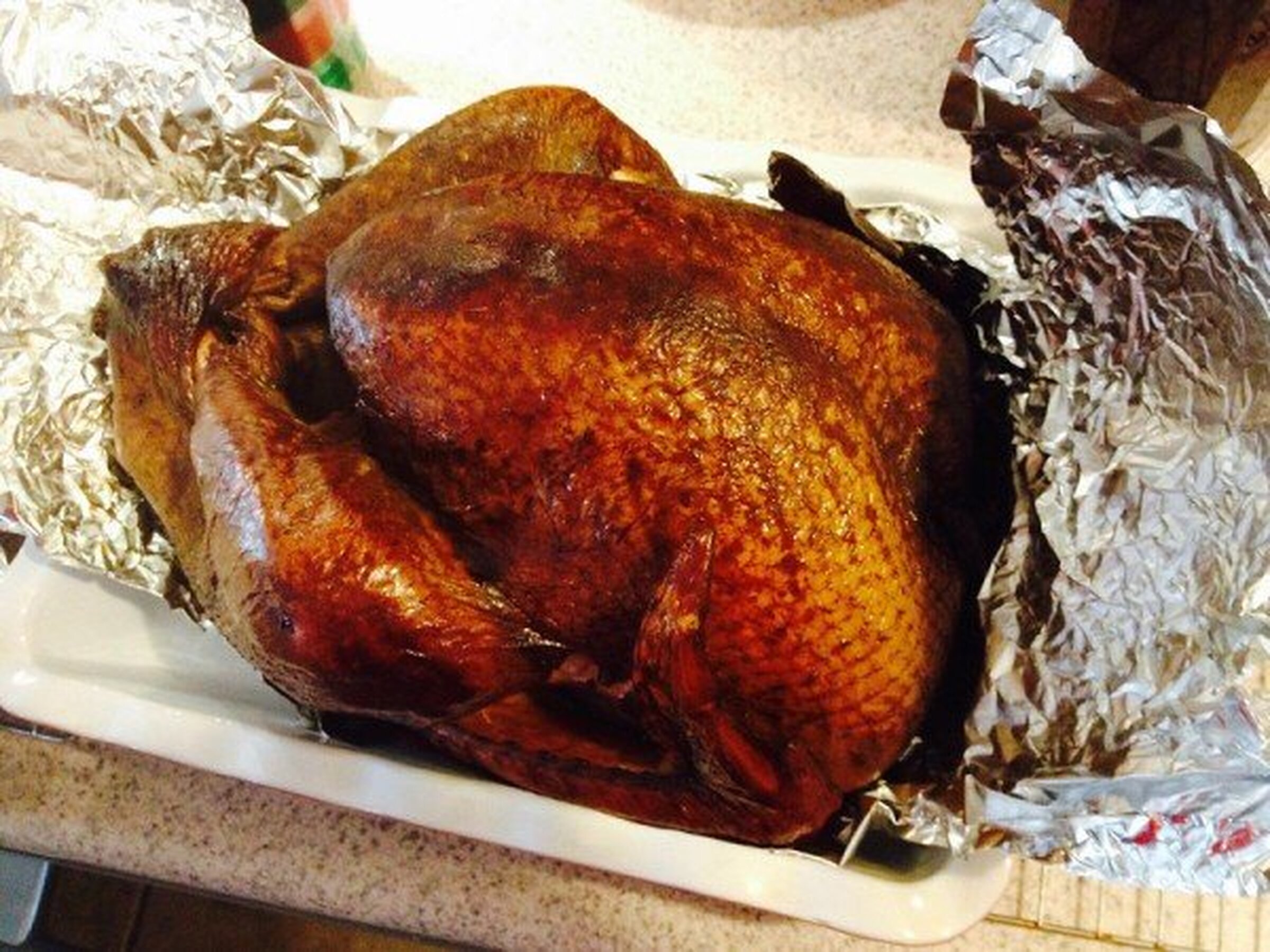
As Thanksgiving approaches, there is still much debate about washing a turkey before cooking it. Most consumers think that it is good to wash their turkey because the water will remove bacteria and it is safe.
“I hate to be bearer of bad news, but it is not okay to wash your turkey,” said Teresa Henson, Extension specialist-program outreach coordinator for the University of Arkansas at Pine Bluff.
“The U.S. Department of Agriculture (USDA), does not recommend washing raw poultry or raw meat because it can splash juices and transfer bacteria around the kitchen surfaces and to other foods, which is called cross –contamination. Cross-contamination can make you and your family sick,” Henson said.
The USDA recommends that you wash your hands before and after handling turkey to prevent the spread of harmful bacteria, she said. It is important you wash your hands with warm soap and water for 20 seconds. This important step can keep you and your family safe from foodborne illness.
“If your raw turkey or its juices come in contact with kitchen surfaces, make sure you immediately wash the sink and countertops with soapy hot water,” Henson said. “For additional protection, you can create a sanitized solution with 1 tablespoon of liquid chlorine bleach per gallon of water. When using the solution make sure the area dries thoroughly.”
Independent reporting for Pine Bluff & Jefferson County since 1879.
When preparing turkey, the only way to destroy harmful bacterial is to make sure you cook the turkey at the correct internal temperature of 165°F, she said. Below are a few more recommendations from USDA to make sure you and loved ones are safe for the holidays:
1. Thaw your turkey safely. Never thaw your turkey by leaving it out on the counter. A thawing turkey must defrost at a safe temperature. When the turkey is left out at room temperature for more than two hours, its temperature becomes unsafe. Bacteria can multiply in the “danger zone” between 40°F and 140°F.
Thaw turkeys:
In the refrigerator in a container;
In a leak-proof plastic bag in a sink of cold water (change the water every 30 minutes); or
In the microwave, follow the microwave oven manufacturer’s instructions.
2. Handle your turkey the right way. Raw poultry can contaminate anything near it with harmful bacteria. Follow the four steps to food safety – clean, separate, cook and chill – to prevent the spread of bacteria to your food, family and friends.
Wash hands with warm soapy water for 20 seconds before and after handling the turkey.
Use a separate cutting board for raw turkey.
Never place cooked food or fresh produce on a plate, cutting board or other surfaces that previously held raw turkey.
Wash cutting boards, utensils, dishes and countertops with hot soapy water after preparing the turkey and before you prepare the next item.
3. Cook your turkey thoroughly. Set the oven temperature to at least 325°F. Place the completely thawed turkey in a roasting pan that is 2 to 2-1/2 inches deep. Cooking times will vary depending on the weight of the turkey. Use a food thermometer to make sure the turkey has reached a safe internal temperature of 165°F. Check by inserting a food thermometer into the center of the stuffing and the thickest part of the breast, thigh and wing joint. Even if your turkey has a pop-up temperature indicator, you should still use a food thermometer to check that the turkey is safely cooked. Make sure you let the turkey sit for 20 minutes before removing the stuffing from the cavity and carving the meat.
To learn more about food safety, using a food thermometer and internal food temperatures, you can visit the USDA Food Safety & Inspection Service website at www.fsis.usda.gov.
Will Hehemann is an extension specialist — communications at the School of Agriculture, Fisheries and Human Sciences at the University of Arkansas at Pine Bluff.