
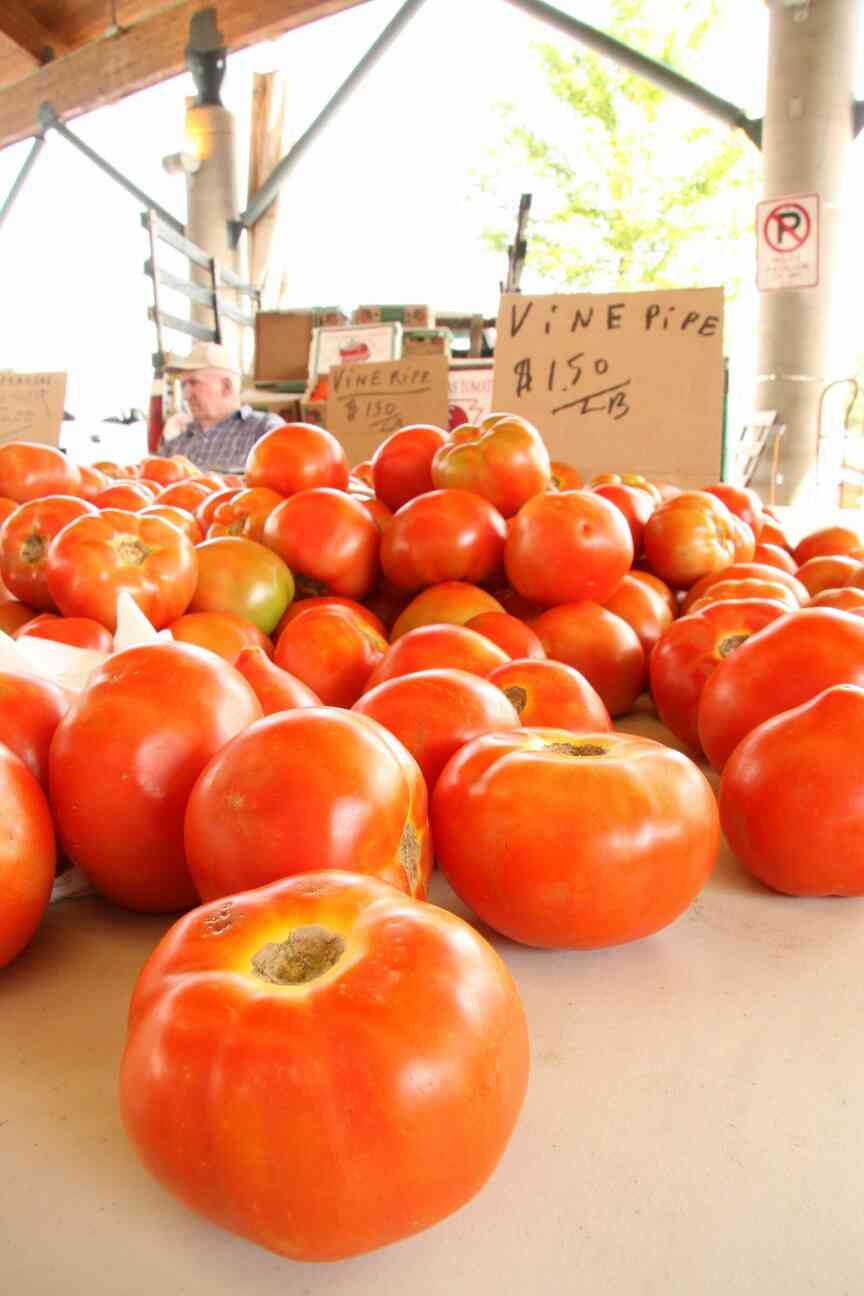
Beefsteaks. Bradley pinks. Cherokee purples. No matter what variety, all tomatoes have one thing in common: Don’t put them in the fridge.
Tomatoes are among the most-eaten produce items, with per capita consumption in the United States estimated at 19.2 pounds in 2023, according to Statista.
What happens between the time they’re picked or purchased and then sliced into a salad or BLT can make a big difference in flavor and texture, says Lida Araghi, assistant professor and extension nutrition and food specialist for the University of Arkansas System Division of Agriculture.
“Cold temperatures can damage the texture and flavor of tomatoes,” she said in a Division of Agriculture news release.
“When stored below about 55 degrees Fahrenheit, the enzymes responsible for developing their flavor are inhibited, and the cell membranes can break down, leading to a mealy texture and reduced taste quality,” Araghi said.
Independent reporting for Pine Bluff & Jefferson County since 1879.
There is an exception though, for tomatoes that are “very ripe and you need to keep them from spoiling for a short time,” she said.
“If you need to refrigerate very ripe tomatoes to keep them from spoiling, it’s best to let them come back to room temperature before eating to improve flavor,” Araghi said.
In addition to being flavorful, tomatoes are high in potassium, vitamin C and antioxidants such as lycopene. They’re also low in sodium, fat and calories.
Find more information about selecting, storing, prepping and cooking tomatoes with this guide from the Division of Agriculture..
To learn about extension programs in Arkansas, contact your local Cooperative Extension Service agent or visit www.uaex.uada.edu.